Laid-Back Camp
Lake Motosu & Minobu
Follow the Minobu Line scenery to the Motosu High model area, cross the mountains to Lake Motosu, and spend the night at the campground tied to the anime’s first episode.
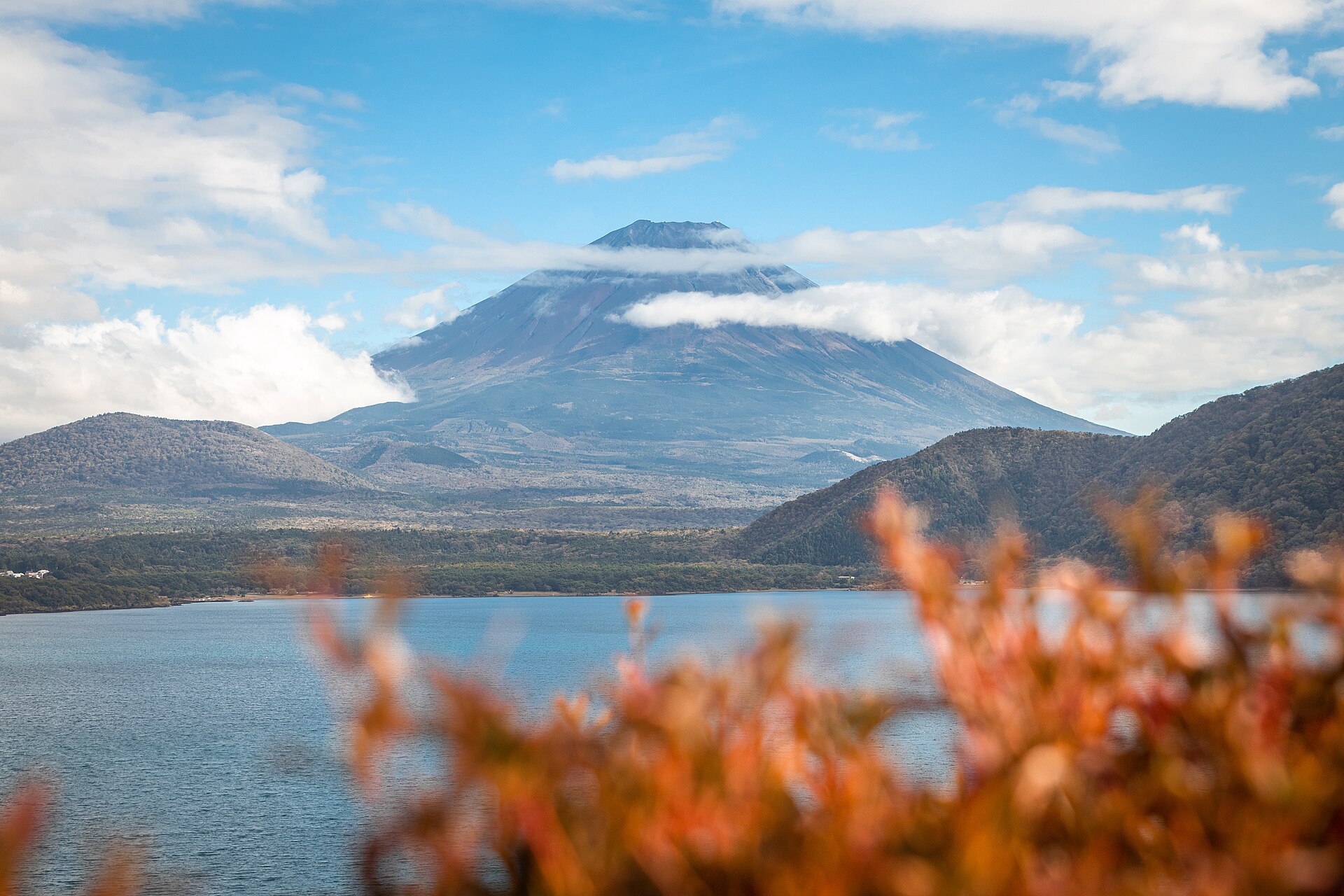
Photo: Mount Fuji from Lake Motosu by Supanut Arunoprayote, CC BY 4.0. Cropped for display.
If you want one Laid-Back Camp pilgrimage that feels like a real trip rather than a list of locations, make it Minobu + Lake Motosu with one night at Kouan. A rental car is the easiest option, but a weekend or holiday town bus also connects the Minobu Line area with the campground.
Laid-Back Camp Yamanashi in 30 Seconds
Choose the Trip That Fits You
Rental car
The easiest way to connect Shimobe, Kai-Tokiwa, Route 300 and Kouan without building the whole trip around a sparse rural timetable.
Minobu Town Bus
Good if Kai-Tokiwa and the Motosu High model area matter to you. The important catch: the Iitomi–Motosuko Line operates only on Saturdays, Sundays and holidays.
Kawaguchiko + bus
Better if Lake Motosu and the overnight stay matter more than the school area. Continue from the Lake Motosu bus stop using Kouan’s shuttle.
Affiliate disclosure: This guide contains Klook and CDJapan affiliate links. If you book or buy through them, Life with Saki may earn a commission at no extra cost to you. Recommendations are chosen for trip usefulness and editorial relevance first.
Take the Motosu Soundtrack With You
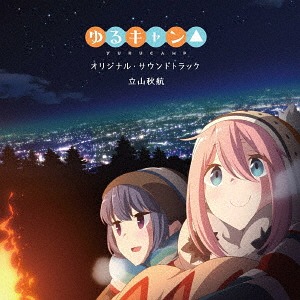
Yuru Camp Original Soundtrack
This one is unusually relevant to the route itself: Disc 1 includes “Camp Jyo no Theme – Motosuko -” — the campground theme for Lake Motosu.
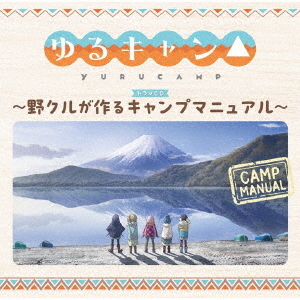
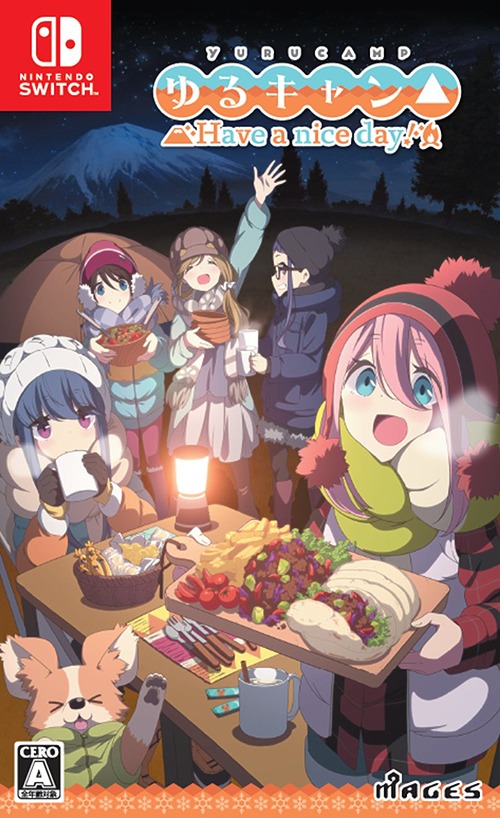
Product availability can change. Japanese releases may not include English text or subtitles unless the CDJapan product page explicitly says so. Promotional product images are used only with matching CDJapan affiliate links.
Route Map
- Kai-Tokiwa Station
- Former Shimobe school model area
- Maruichi Shokudo / Shimobe
- Route 300 / Motosu-michi
- Kouan / Lake Motosu
- Nakanokura Pass — optional
- Shimobe-no-Yu — optional
The map is for orientation. The sequence below is the travel plan.
Minobu to Lake Motosu
Shimobe / lunch
Eat before the mountain drive so the afternoon does not depend on limited food options at the lake.
Kai-Tokiwa Station
Start the anime-location section at the small Minobu Line station used by the Outdoor Activities Club.
Motosu High model area
Visit the officially presented former Shimobe school area from public access only.
Route 300
Cross the mountains toward Lake Motosu. Treat the road as travel scenery, not a place to stop for an unsafe scene match.
Kouan check-in
Arrive with enough daylight to settle in rather than rushing straight into photos.
Lake Motosu
Stop completing a checklist. Sit by the lake, eat, camp and let the evening be the main event.
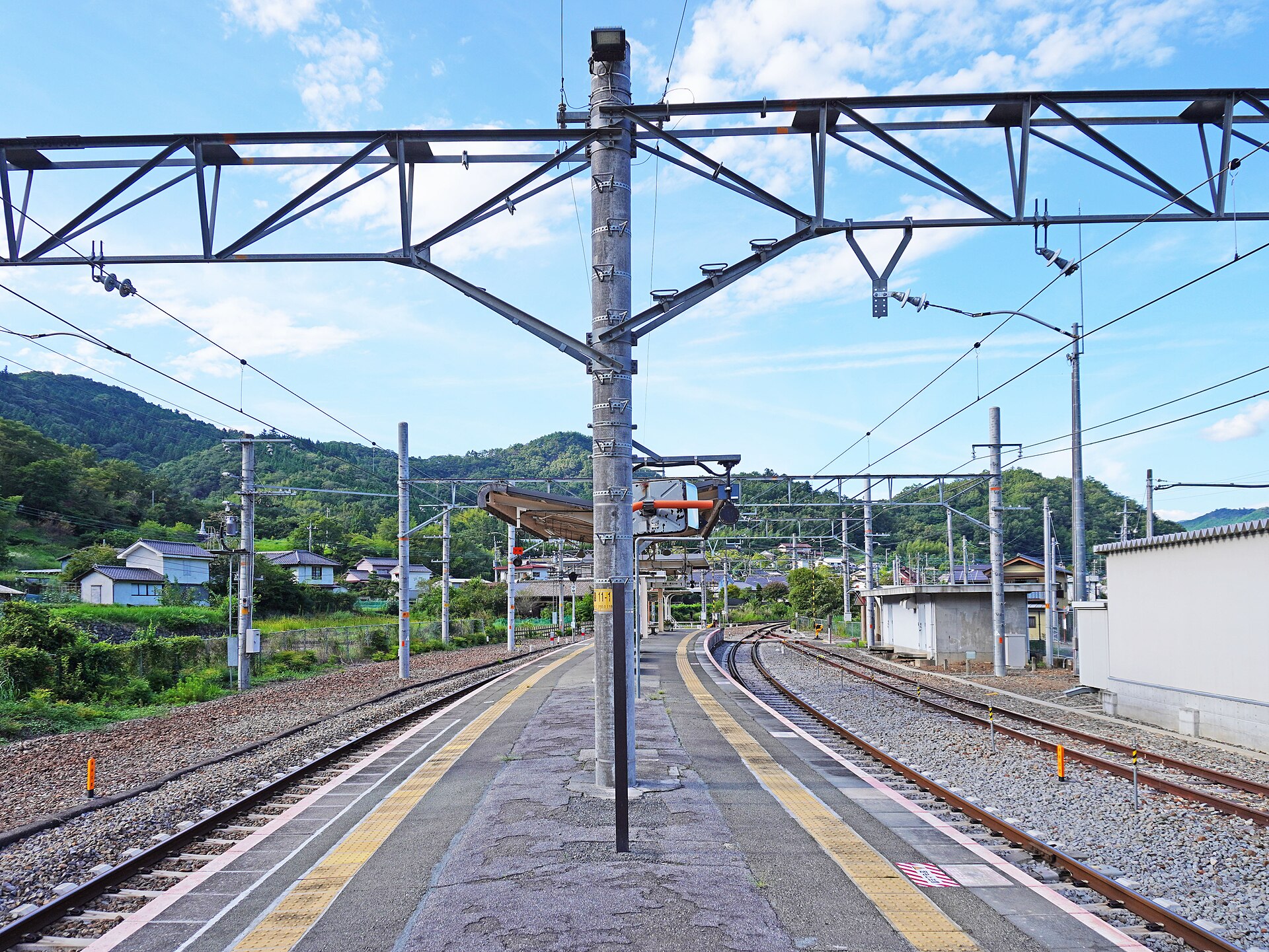
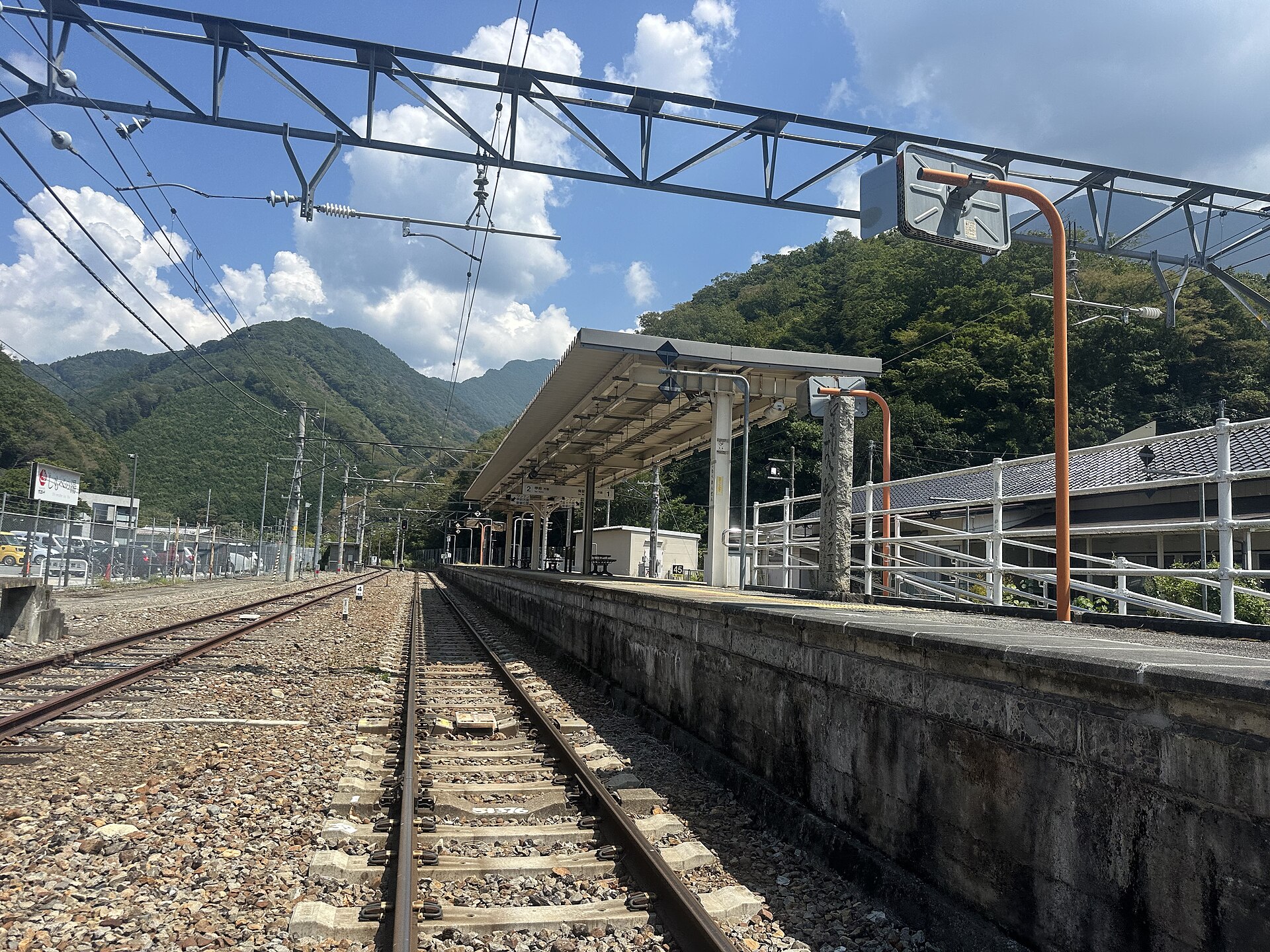
JR Kai-Tokiwa Station platform — Mister0124, CC BY-SA 4.0.
Kai-Tokiwa Station
Kai-Tokiwa is the small JR Minobu Line station used by the Outdoor Activities Club on the way to school. Yamanashi’s official Laid-Back Camp tourism guide places the former Shimobe school site about 600 meters away — less than a ten-minute walk.
That short distance is one reason this part of the pilgrimage works even without a car. The appeal is the scale: this quiet rural station feels completely different from the giant Tokyo terminals most international visitors use.
The Motosu High Model Area
Yamanashi’s official tourism information identifies the former Shimobe Elementary and Junior High School site as the model area associated with Motosu High School.
The official guide also makes an important distinction: the current school building and interior are not a one-to-one model of the anime school. Treat the hill, approach and surrounding area as the pilgrimage location rather than trying to match every wall or window.
Location note: use the official map and public approach here. Older fan photos can make this site easy to misidentify, so this guide prioritizes the current access point over an unverified school image.
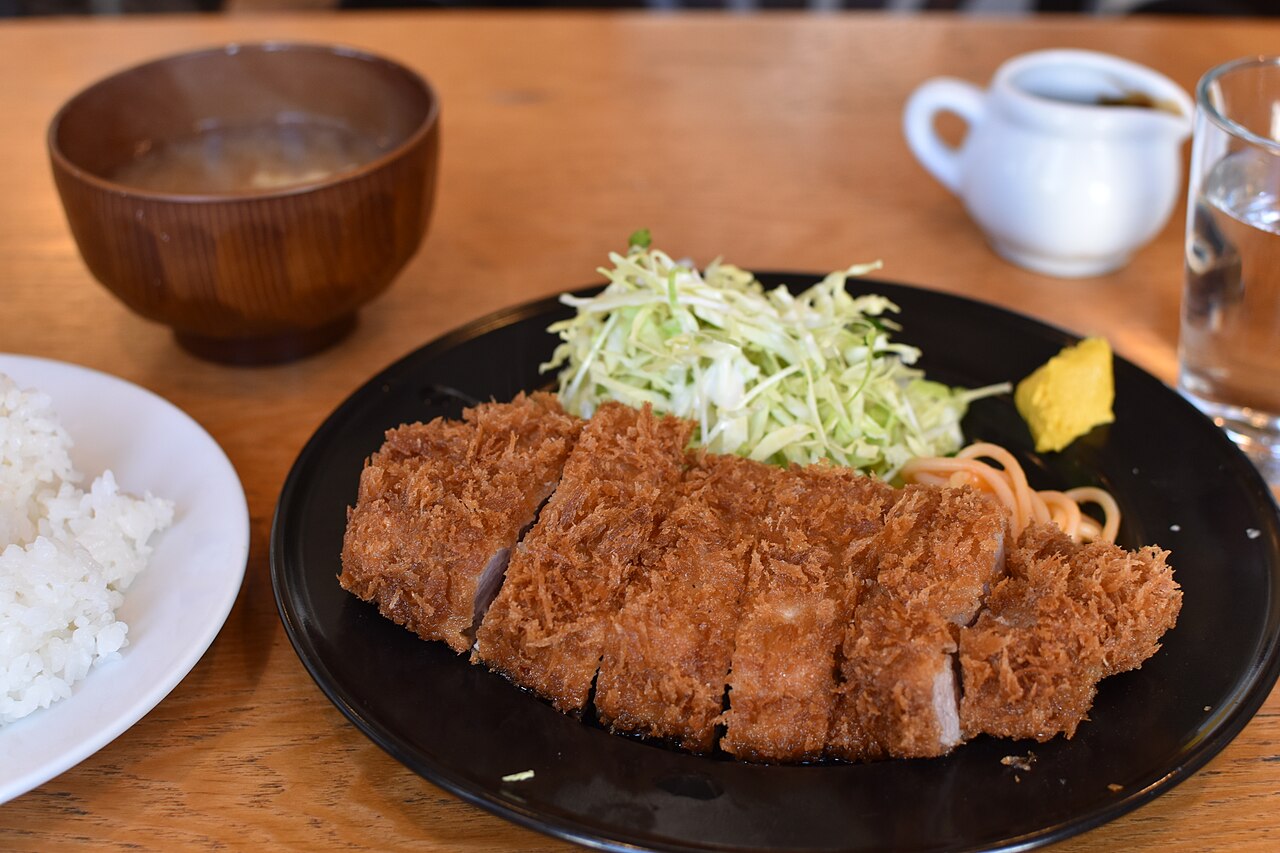
Maruichi Shokudo
If you eat at one place on this route, make it Maruichi Shokudo near Shimobe-Onsen Station. It fits the route before the mountain drive, when food choices are still flexible.
For the broadest recommendation, order the pork loin tonkatsu. Travelers who already know they are comfortable eating horse meat can consider the local sakura-don instead.
Representative tonkatsu image — not photographed at Maruichi Shokudo.
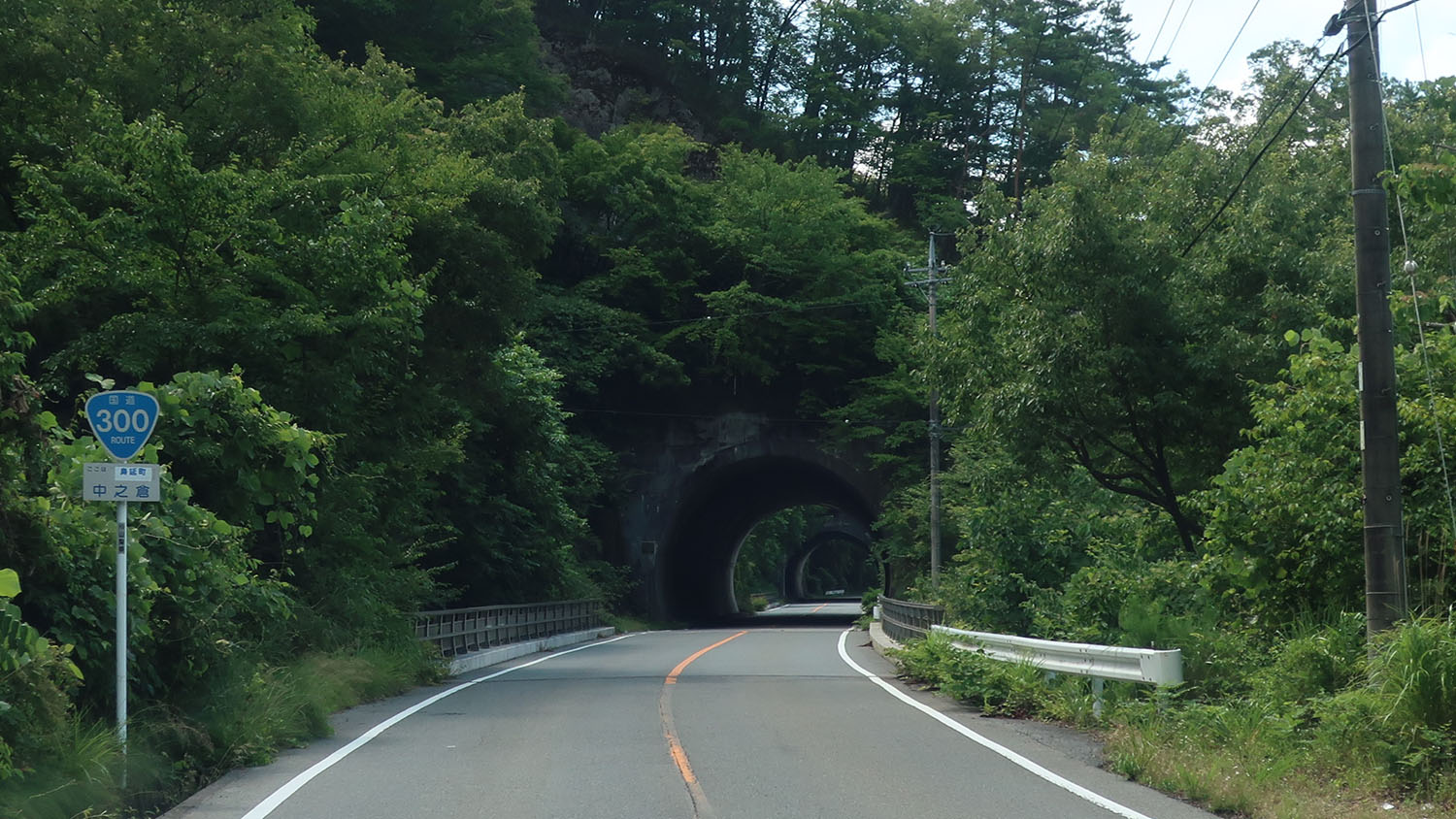
National Route 300 in Minobu — Puchi-masashi, CC BY-SA 4.0.
Route 300 / Motosu-michi
The drive from Shimobe toward Lake Motosu is not a place to collect one perfect pin. It is part of the experience itself: the road climbs through the mountains and connects the quiet Minobu-side locations with the colder Fuji Five Lakes landscape.

The Easiest Way to Connect the Route
Public transport can reach both sides of this trip, but a rental car removes the hardest planning step: coordinating a rural train, a weekend-only town bus, campground arrival, food and the next day’s return.
If you are comfortable driving in Japan, this is the recommended option.
Promotional image: Klook. Vehicle availability and rental conditions change by date.
Kouan & Lake Motosu
This is where the article stops being a list of pins. Check in, put the phone down for a while, and spend the night in the landscape where the story begins.
Kouan: Arrive at the Place Where the Journey Begins
Kouan and Lake Motosu are the emotional center of this route. Yamanashi’s official Laid-Back Camp guide identifies the area with the first episode and the meeting of Rin and Nadeshiko.
Current address: 2926 Nakanokura, Minobu-cho, Minamikoma-gun, Yamanashi 409-3104.
Choose Your Stay at Kouan
Tent
Best if you already have camping equipment or arrange it before arrival. Kouan says it does not directly rent tents or tarps.
Cabin
The practical option if you are traveling through Japan without a tent, sleeping bag and full cooking setup.
Arrange gear separately
Kouan’s English guidance points travelers without equipment toward an external concierge option for camping support.
Lake Motosu in the Late Afternoon
After check-in, stop trying to “complete” the article and enjoy the lake. Mount Fuji may be perfectly clear, partly hidden, or invisible behind clouds. All three are normal.
Wake Up Beside Lake Motosu
Morning is the natural photography window because you are already beside the lake. JNTO recommends early morning or late afternoon for close Fuji views, while clear winter days can offer especially crisp visibility. This is a best window, not a guarantee.
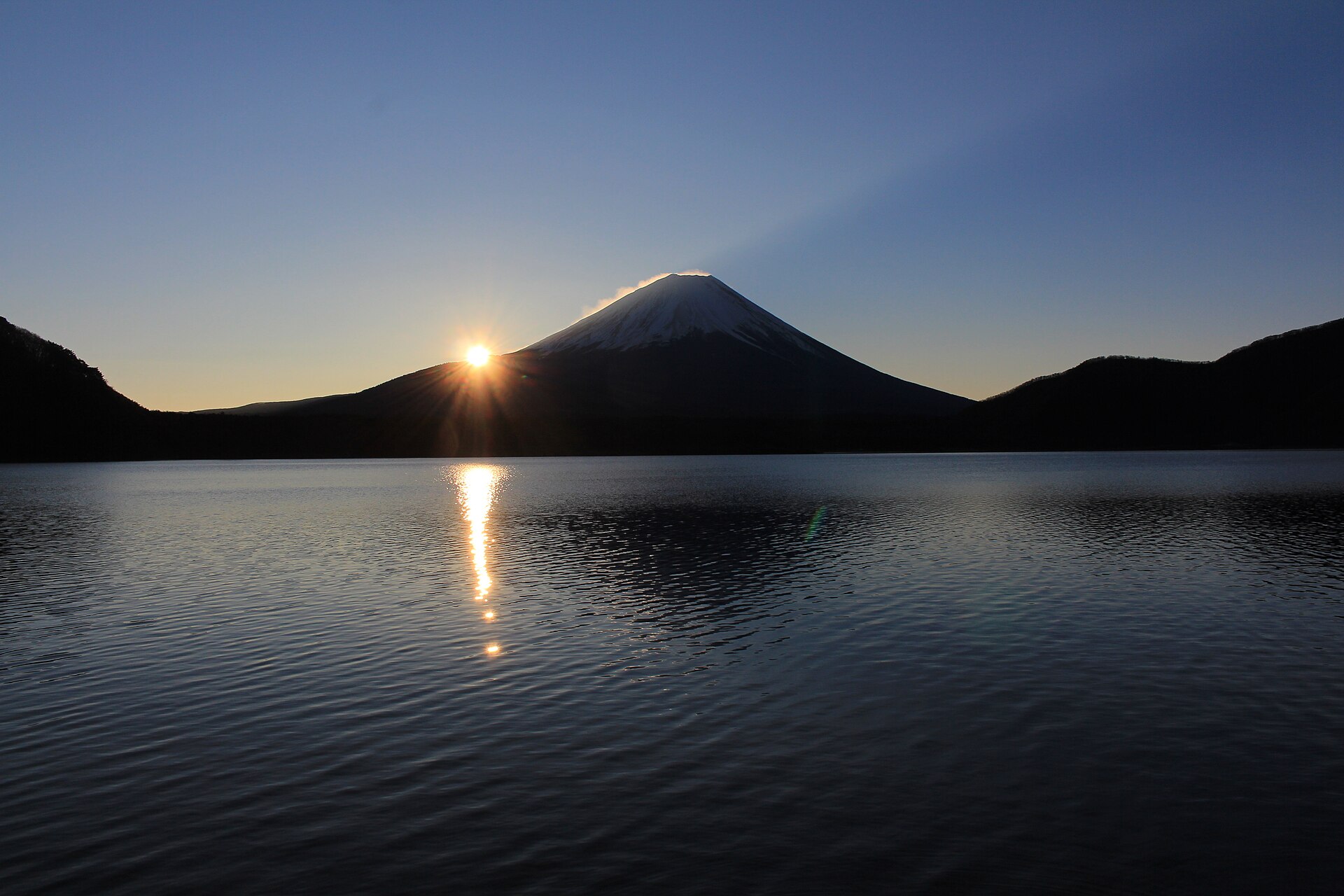
Wake up early enough to enjoy the lake before the day becomes busy, but give yourself room for breakfast, weather and a slow start. If Fuji is visible, treat it as a bonus rather than the condition that decides whether the trip was successful.
Optional: Nakanokura Pass Viewpoint
Add the viewpoint only if weather, daylight and your energy are good. Yamanashi’s official tourism guide gives the climb from the trailhead as roughly 620 meters and 20–30 minutes to the viewpoint associated with the famous ¥1,000-note Mt. Fuji composition.
Minobu Line + Weekend Town Bus
This is the most interesting no-car version because it still includes Kai-Tokiwa and the school model area. The catch is crucial: Minobu Town’s Iitomi–Motosuko Line operates only on Saturdays, Sundays and holidays, with two round trips per day, and the town notes that the vehicle is a small 10-seat wagon.
Old Shimobe JHS Entrance → Kouan-so Entrance
Kouan-so Entrance departures toward the Minobu Line side.
Kawaguchiko + Fujikyu Bus + Kouan Shuttle
If you mainly want Lake Motosu and the overnight camping experience, this is simpler. Take a Fujikyu bus from Kawaguchiko Station toward Lake Motosu, then connect to Kouan.
Kouan says Lake Motosu Bus Stop is about 5 km from the campground. Current guidance says to go to the souvenir shop KOSENSOU after arrival; the shop contacts Kouan, and pickup can take roughly 5–30 minutes. The listed shuttle window is 9:00 AM–4:30 PM.
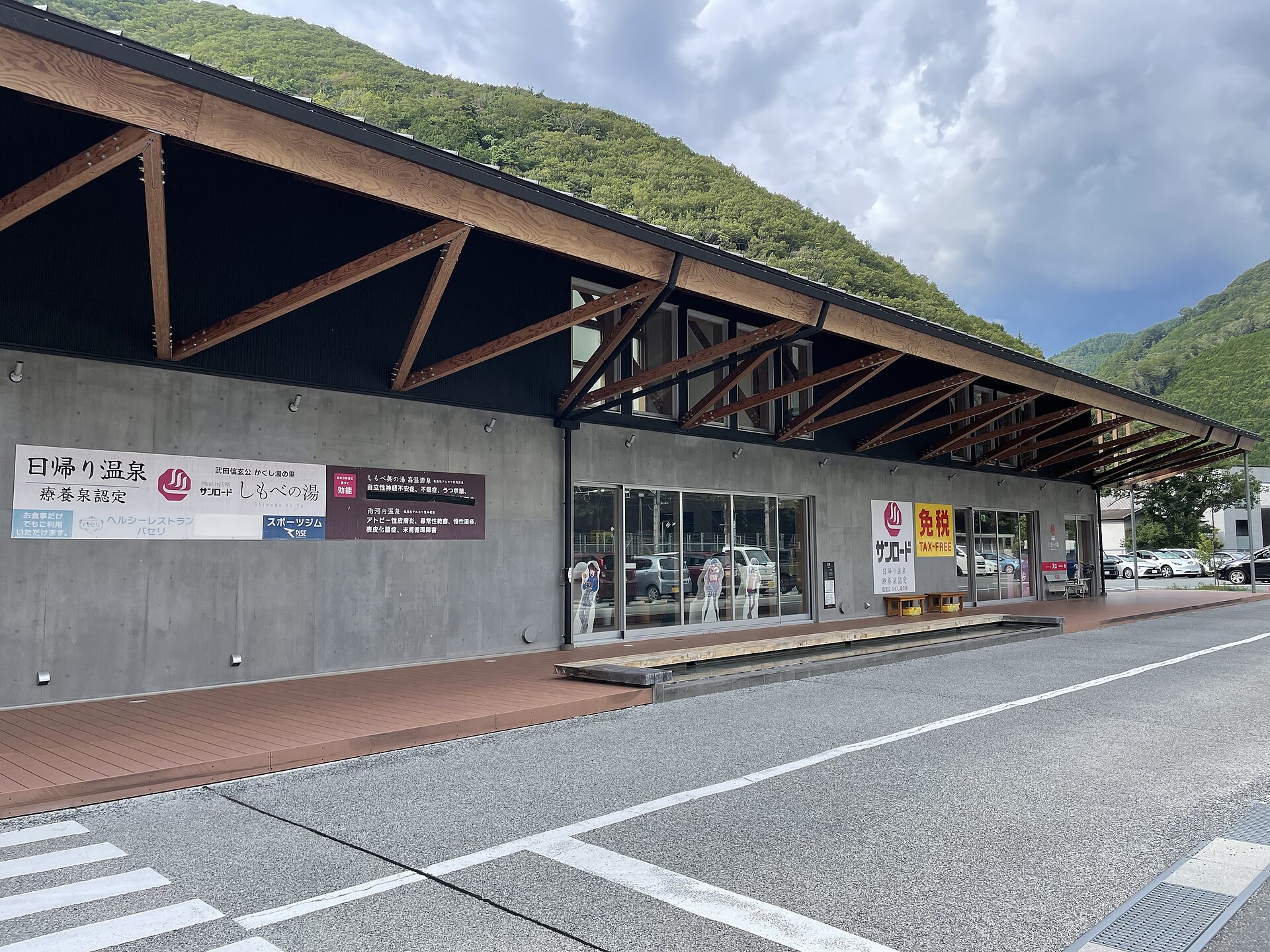
Shimobe-no-Yu — Totti, CC BY-SA 4.0.
Shimobe-no-Yu
A hot-spring stop works especially well after a cold or damp camping night. Keep it optional: it should feel like a reward on the return route, not another mandatory pilgrimage pin.
When Is the Best Time for This Laid-Back Camp Pilgrimage?
There is no single perfect season. The best choice depends on whether you want the strongest camping atmosphere, the clearest chance of seeing Fuji, or the easiest conditions for a first visit.
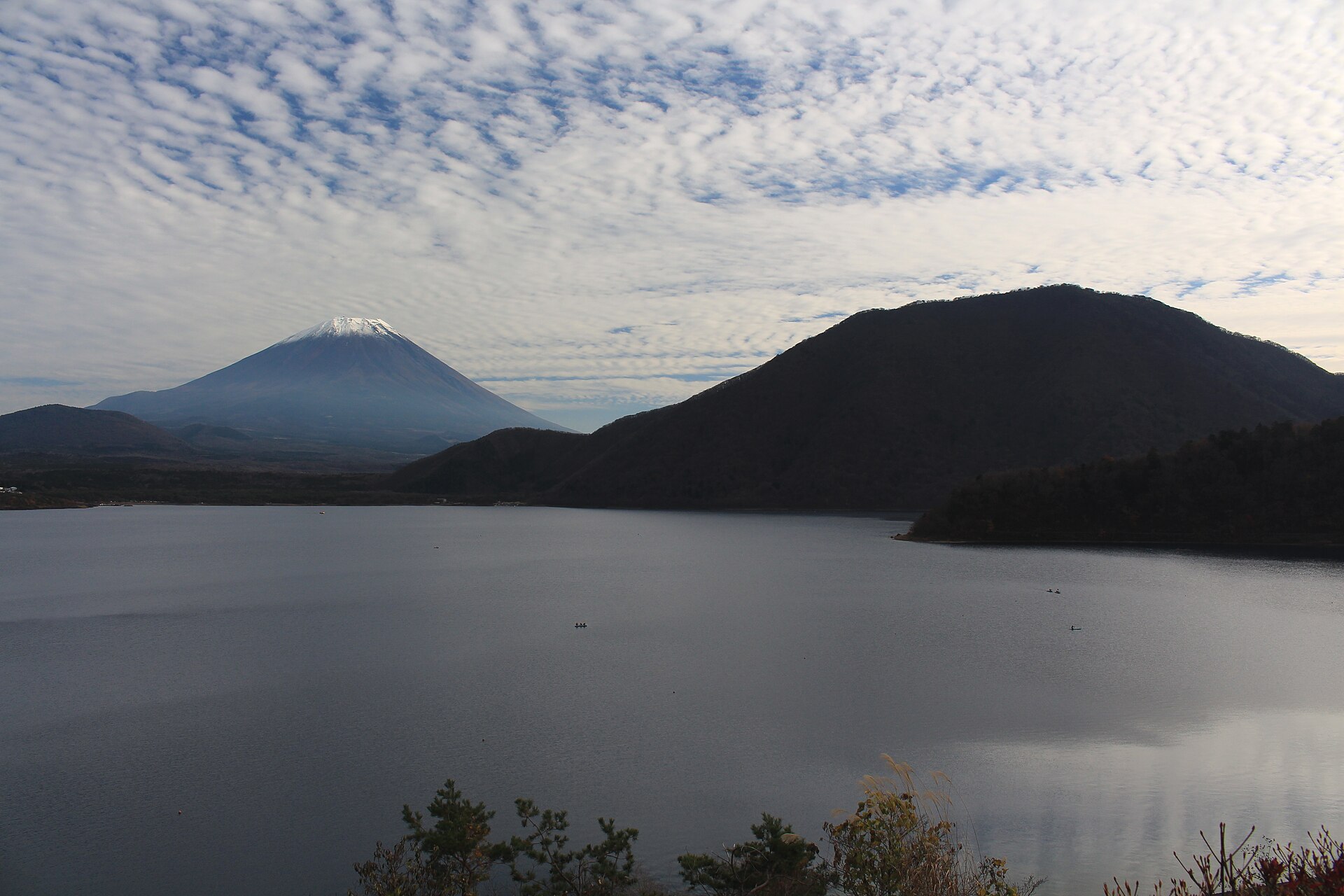
Late autumn
Cold air, clear mountain scenery and the lakeside mood fit Laid-Back Camp especially well without automatically taking on the hardest winter road conditions.
Trade-off: nights can already be very cold, so camping gear and clothing matter.
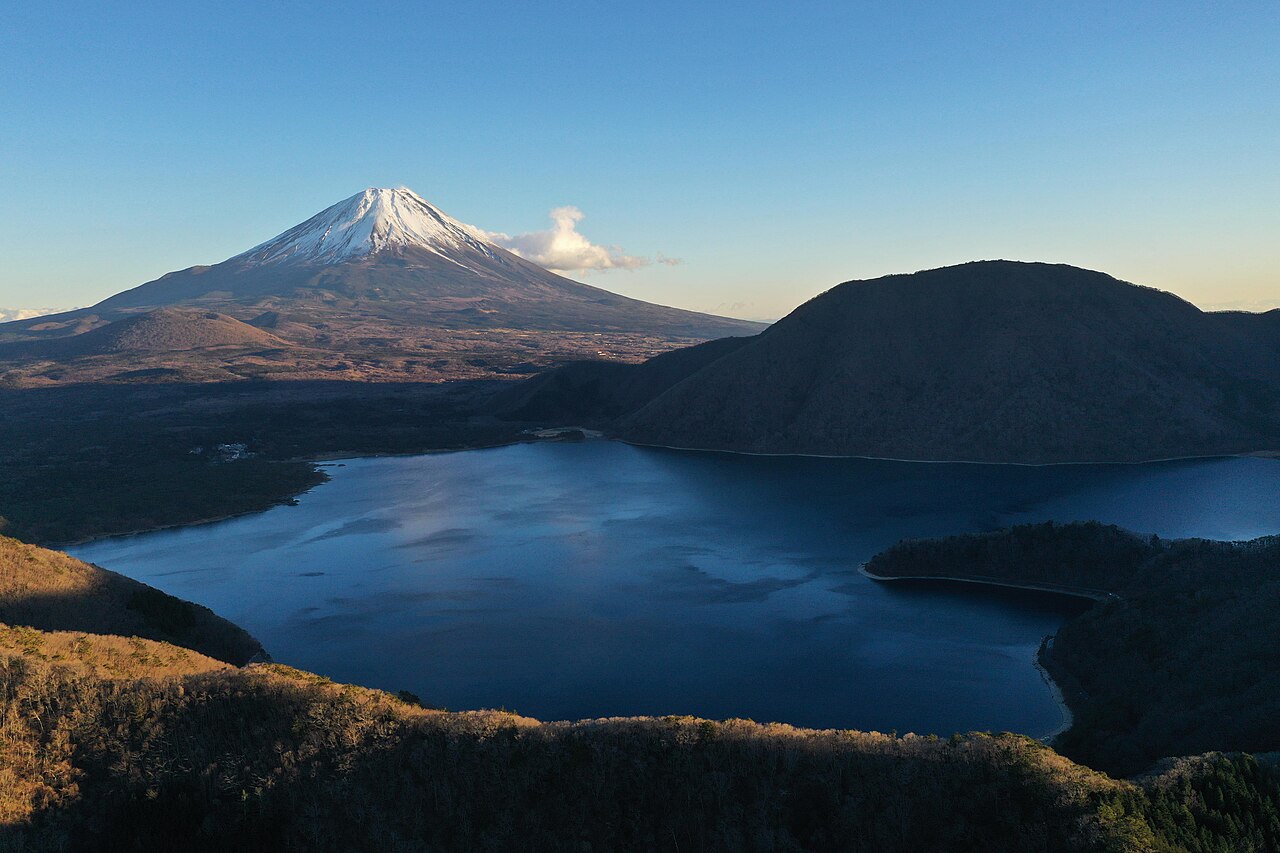
Clear winter days
Winter can bring crisper Fuji visibility and the cold-weather atmosphere that suits the series particularly well.
Trade-off: snow, ice, colder camping and more demanding driving or trail conditions make this the less forgiving option.
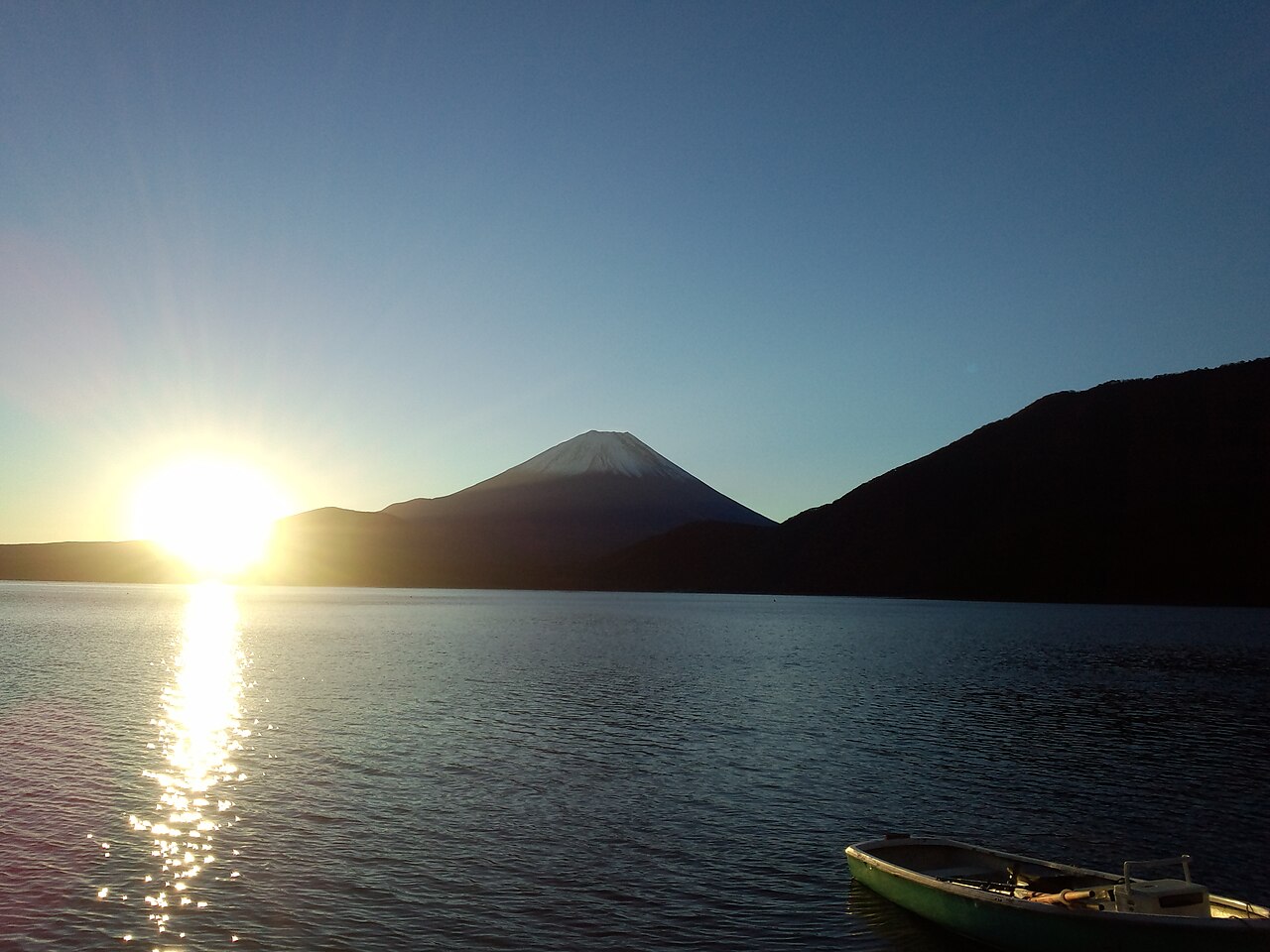
Early morning
The overnight stay is the advantage: you are already beside the lake when the day begins. Aim for a relaxed early-morning window rather than a precise sunrise minute.
Trade-off: Fuji is never guaranteed—cloud and weather can hide it even when your timing is good.
Photography & Pilgrimage Etiquette
Stay outside
Do not enter the grounds unless an event or current official notice explicitly permits access.
No traffic-lane photos
Never stand in the road or stop on an unsafe shoulder for a scene match.
Campers come first
Respect check-in rules, occupied sites, quiet hours and staff instructions. Do not walk through someone else’s campsite.
Laid-Back Camp Yamanashi FAQ
Is Lake Motosu really a Laid-Back Camp location?
Yes. Yamanashi’s official tourism guide connects Lake Motosu and Kouan with the anime’s first episode and the meeting of Rin and Nadeshiko.
Can I do this pilgrimage without a car?
Yes, but it is much easier by car. The Minobu Town Iitomi–Motosuko bus runs only on Saturdays, Sundays and holidays, while a separate Kawaguchiko route can reach Lake Motosu and connect with Kouan’s shuttle.
Is the Motosu High School building real?
The former Shimobe school area is officially introduced as a model location, but the official tourism guide warns that the current building and interior are not a one-to-one model of the anime school.
Can I enter the former school grounds?
Do not enter except when an event or official notice specifically allows access.
Do I need camping gear?
Not necessarily. Kouan has cabins. If you want to camp in a tent, arrange equipment before arrival because Kouan says it does not directly rent tents or tarps.
Is one day enough?
You can visit some locations in one day, but the strongest version is one night and two relaxed days. Staying at Lake Motosu removes pressure and gives you an early-morning Fuji window.
What is the best season?
Late autumn is a strong overall choice. Clear winter days can offer excellent Fuji visibility, but cold, snow, ice and driving conditions become more important.
Can I visit Nakanokura Pass?
Yes when conditions are suitable. The official tourism guide describes the route from the trailhead as about 620 meters and roughly 20–30 minutes, but it is still a mountain path.
Where should I eat?
Maruichi Shokudo near Shimobe-Onsen is the primary Food Pick. Confirm its current opening days before travel.
Is Laid-Back Camp still active?
Yes. Laid-Back Camp SEASON 4 is officially scheduled for 2027.
More Anime Pilgrimage Guides
Before You Leave
- Reserve Kouan and decide tent vs cabin before building the rest of the route.
- If driving, check road and weather conditions around Lake Motosu.
- If not driving, confirm both travel days against the Minobu Town or Fujikyu timetable.
- Eat before the mountain section if your schedule is tight.
- Save the exact Maps pins offline.
- Treat Fuji visibility as a bonus, not a promise.
- Respect the former school, road safety and occupied campsites.
- Mount Fuji from Lake Motosu — Supanut Arunoprayote, CC BY 4.0.
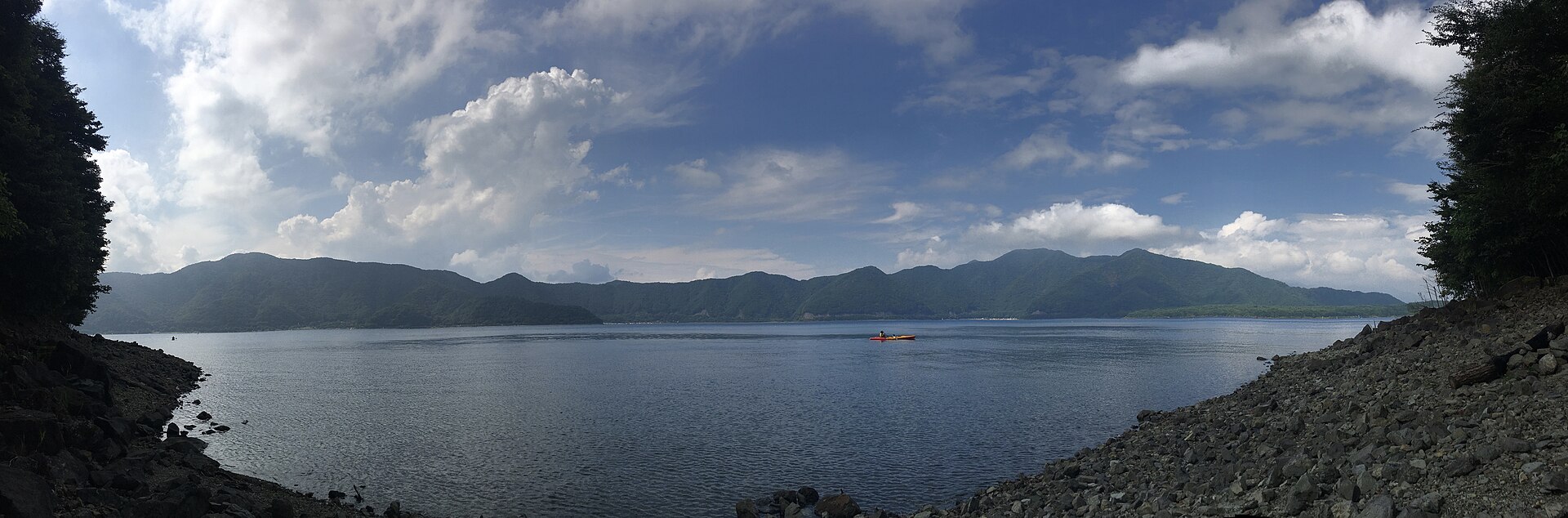
- Lake Motosu panorama — Nesnad, CC BY 4.0.
- Kai-Tokiwa Station platform — Mister0124, CC BY-SA 4.0.
- National Route 300 — Puchi-masashi, CC BY-SA 4.0.
- Mount Fuji and sunrise from Lake Motosu — Alpsdake, CC BY-SA 4.0.
- Shimobe-no-Yu — Totti, CC BY-SA 4.0.
- Representative tonkatsu — Fred Cherrygarden, CC BY 4.0; photographed at 50Ban in Tokyo, not at Maruichi Shokudo.
- Mount Fuji, Lake Motosu and surrounding mountains in winter — Kpravin2, CC BY-SA 4.0.
- Sunrise at Lake Motosu — Shuhei chaser, CC BY-SA 3.0.
- Kofu rental-car promotional image: Klook, used only with the matching affiliate destination.
- CDJapan product images are used only with their matching affiliate links.
Laid-Back Camp names and references are used editorially to identify the work and travel context. No anime screenshots or copied scene images are reproduced in this guide.