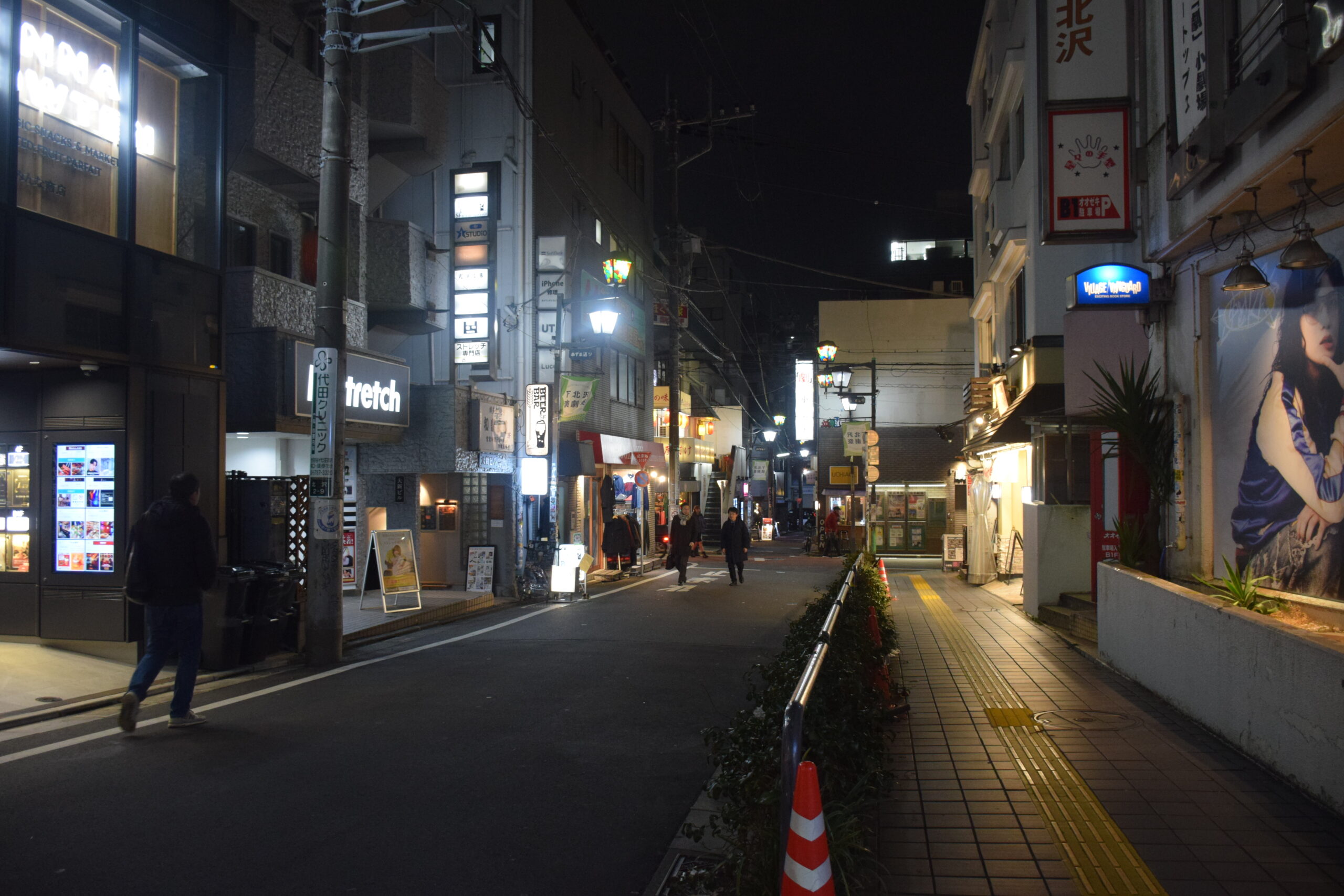
Bocchi the Rock! Real-Life Locations in Shimokitazawa: Walking Route
Walk the real streets behind Kessoku Band — from Shimokitazawa Station to the live-house culture, theater alleys and neighborhood spaces that make this part of Tokyo feel like it belongs in the series.
Shimokitazawa is one of Tokyo’s easiest anime pilgrimages to turn into a genuinely good afternoon out. The neighborhood already has what a traveler wants even without the anime: vintage clothing, bookstores, record shops, cafés, small theaters and a serious live-music scene.
Come for Bocchi. Stay because Shimokitazawa itself is fun.
This guide deliberately does not list every background frame from the series. Instead, it gives you a compact walking route that you can actually follow on your phone, with scene cues, Google Maps buttons, food, current etiquette and enough time to enjoy the neighborhood between stops.
The Bocchi the Rock! official site asks visitors to avoid causing trouble for live houses, shops, other tenants and local residents. It specifically asks fans to avoid crowded periods such as weekends and holidays, not to block roads or building entrances, not to make noise, and not to photograph private homes. A 2024 reminder also mentioned problems caused by visitors interfering with live-house equipment loading and neighboring automatic doors.
- Prefer weekdays
- Avoid large groups
- Keep entrances clear
- Keep live-house photos brief
- Do not photograph private homes
- Respect staff, tenants and residents
Your Shimokitazawa pilgrimage route
The map logic comes before the location database. Start at the station, move through the theater-and-music core, stop for curry, then finish around the newer rail-corridor spaces where you can slow down instead of immediately heading back to the train.
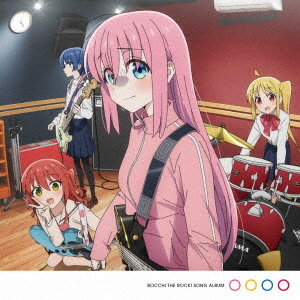
Kessoku Band [Regular Edition]
The core Kessoku Band album is the most natural souvenir for a Shimokitazawa pilgrimage built around live houses and music culture.
View on CDJapan


Product availability can change. CDJapan promotional images are used only for these matching affiliate links.
Bocchi the Rock! is still growing.
Season 2 is officially in production. That keeps Shimokitazawa relevant as an active pilgrimage destination rather than a one-season nostalgia stop.
How to get to Shimokitazawa
Shimokitazawa Station is served by the Odakyu Odawara Line and the Keio Inokashira Line. GO TOKYO currently lists about seven minutes from Shinjuku by Odakyu. From Shibuya, the Inokashira Line is the natural approach.
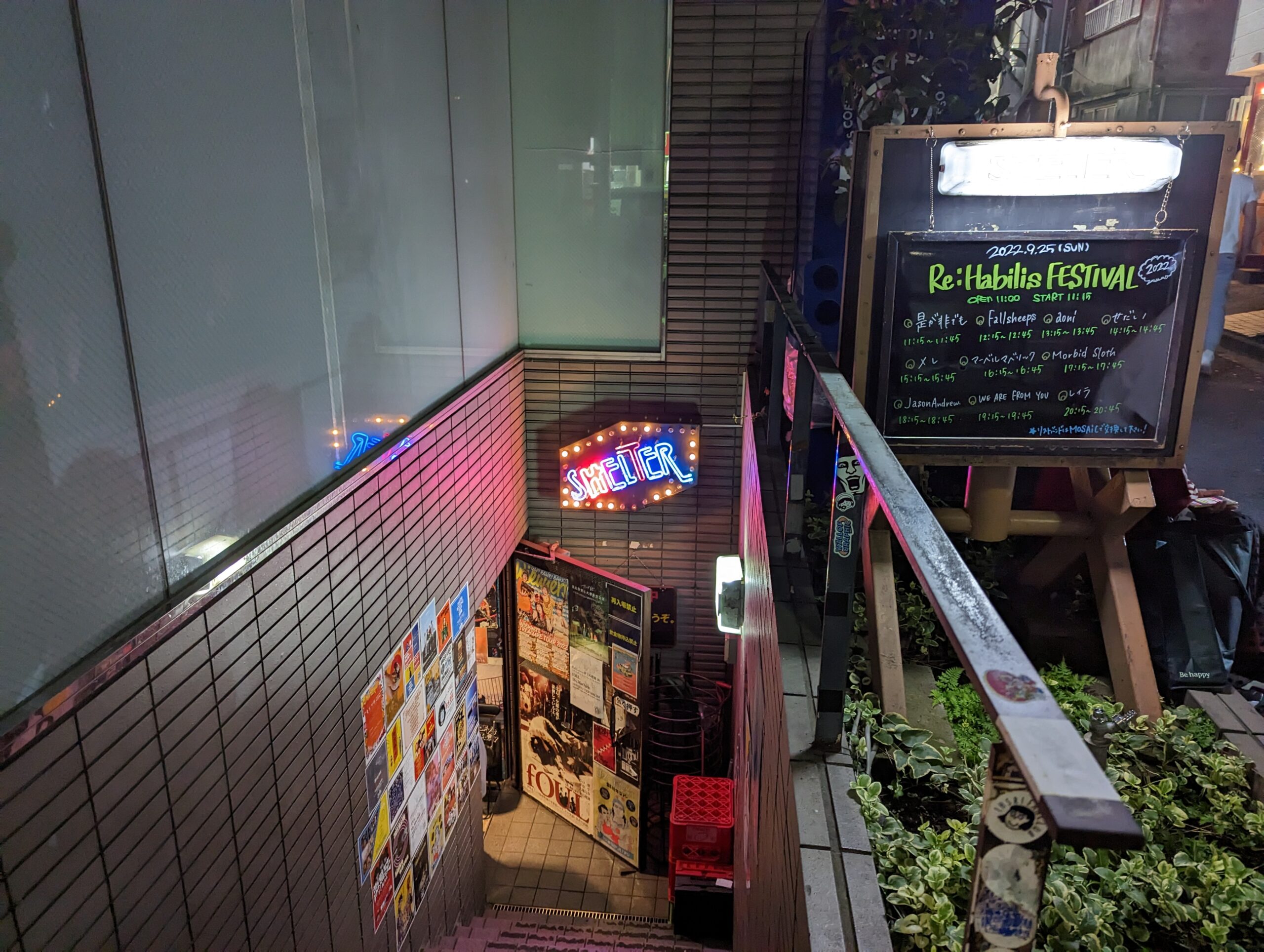
SHELTER
Strong visual matchSHELTER is the stop most fans will recognize immediately as the real-world live-house inspiration associated with STARRY. It is also a working venue, which is exactly why the visit should feel different from photographing a static landmark.
Photo: Syced / Wikimedia Commons, CC0 1.0.
The other stops that make the walk work
These are not all given the same confidence level. Some are strong visual matches; others are fan-associated route points or simply good places to understand Shimokitazawa as a travel destination. The guide says which is which instead of flattening everything into “official locations.”
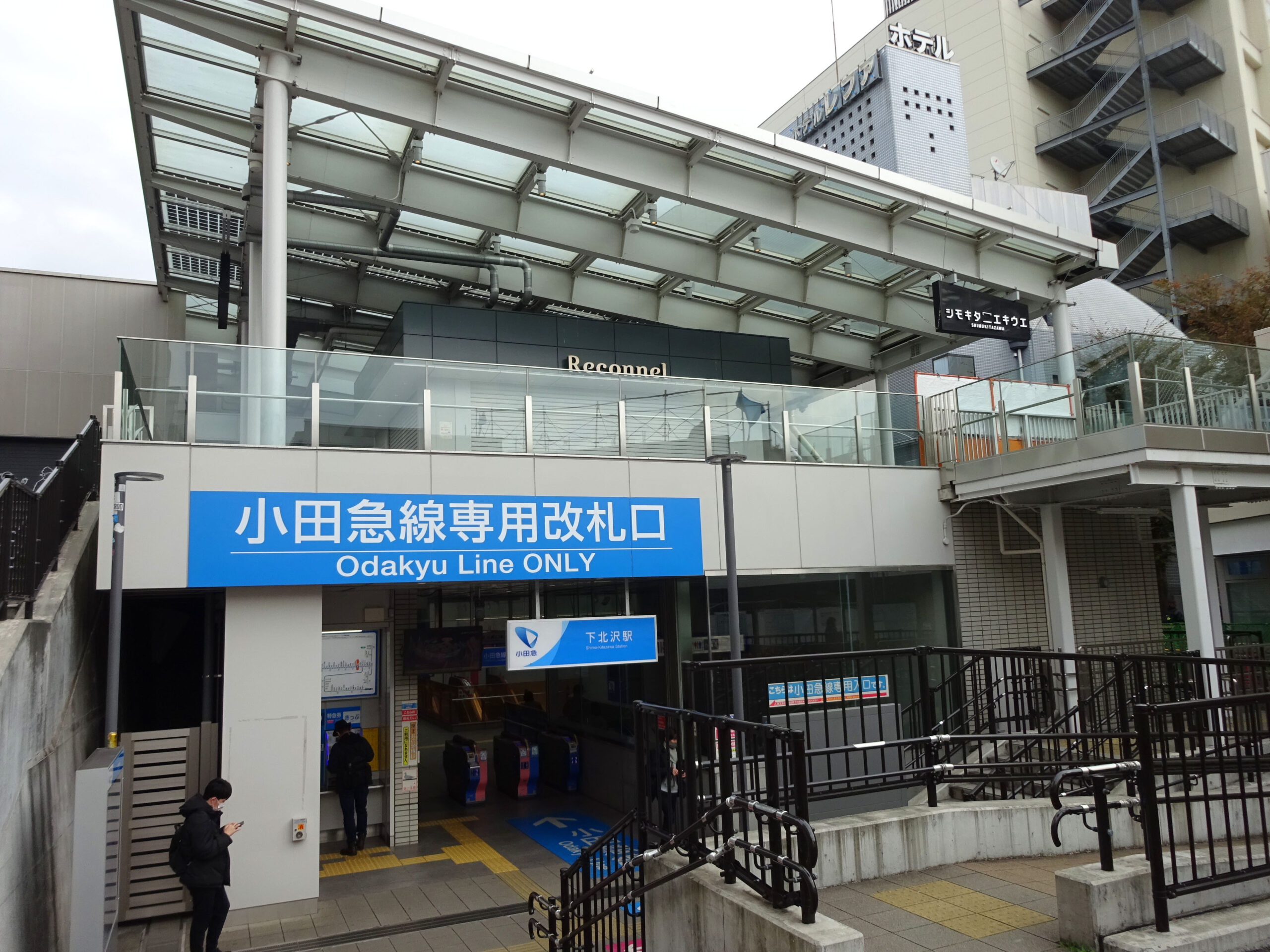
Shimokitazawa Station
The station gives you the clearest “I have arrived in Bocchi’s neighborhood” transition. Treat it as orientation rather than an exact frozen anime frame: the real station area has continued to change.
Southwest Entrance. Photo: Nyao148 / Wikimedia Commons, CC BY-SA 3.0.
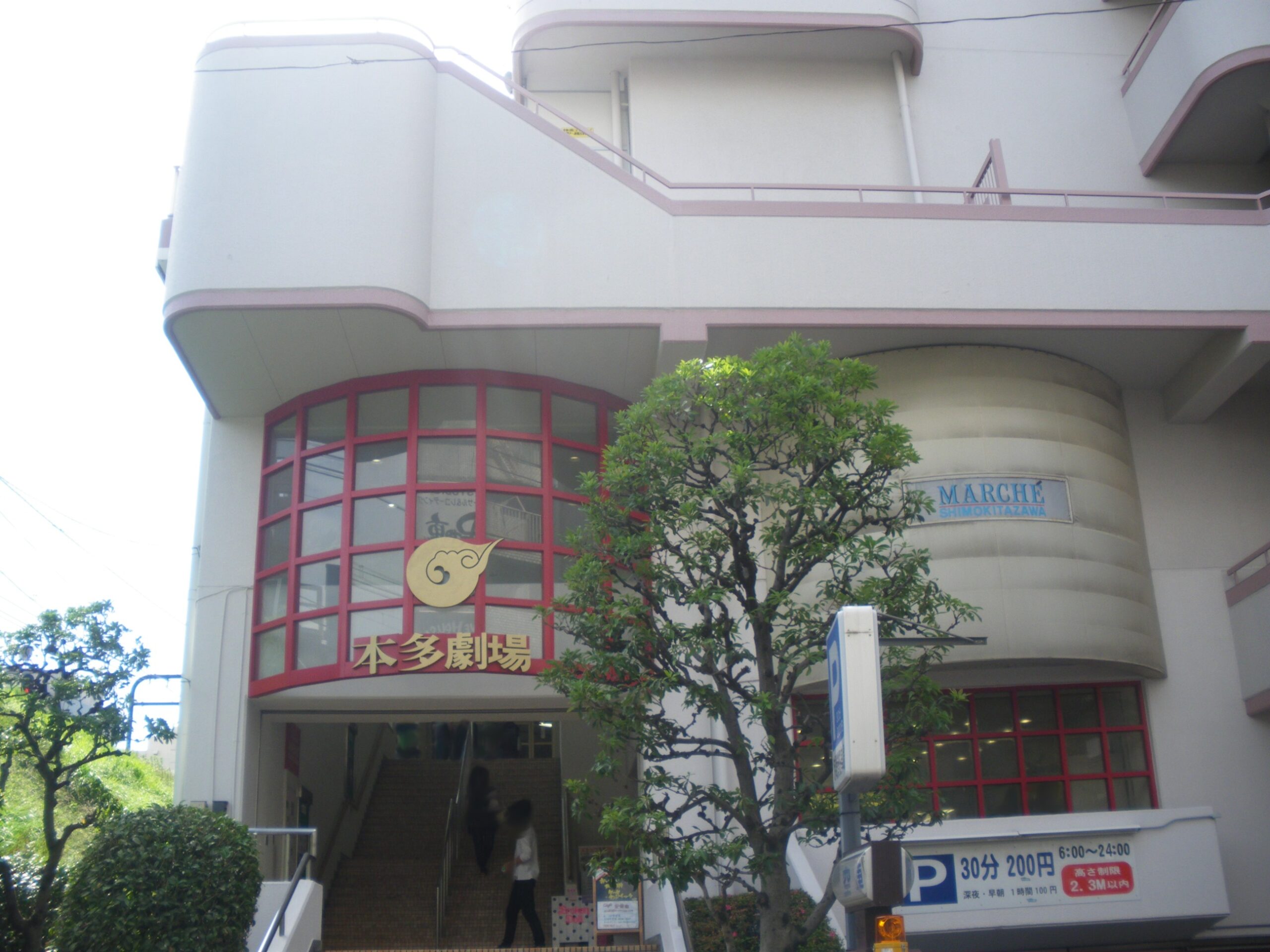
Village Vanguard & theater streets
Walk the streets around Village Vanguard and the Honda Theater cluster on the way toward SHELTER. This is less about one “proof shot” and more about the dense mix of theater, music, shops and alleys that repeatedly gives the series its Shimokitazawa texture.
Honda Theater context photo: Kamemaru2000 / Wikimedia Commons, CC BY-SA 3.0.

Kitazawa Donguri Hiroba Park
A small neighborhood park associated by fans with the band’s photo-walk side of Shimokitazawa. It works well as a short quieter stop after the commercial streets, but remember that you are close to homes and normal local life.
Kessoku Band artist-photo area / Honda Studio vicinity
The wall-and-studio area associated with Kessoku Band’s artist photo is changing. The official Honda Theater Group notice says Honda Studio is accepting bookings through the end of February 2027 and is expected to close as the building is removed for a road-development plan. Do not build your whole trip around finding an unchanged view here.
Honda Theater route-context photo — not the artist-photo wall itself. Photo: Kamemaru2000 / Wikimedia Commons, CC BY-SA 3.0.

ADRIFT & the greenway
ADRIFT is an active entertainment space beside reload and MUSTARD HOTEL SHIMOKITAZAWA. Its official site currently lists 2026 music events and describes the venue as a space for music, culture, food and fashion — exactly the kind of real neighborhood culture that makes this route more than a screenshot hunt.
Reload, beside ADRIFT on the rail-corridor route. Photo: Souka Kinmei / Wikimedia Commons, CC0 1.0.

Shimokita Senrogai
This is a travel finish, not a claim that every corner is an anime model. The former railway corridor now contains cafés, shops, public space, ADRIFT and MUSTARD HOTEL. It is the right place to stop treating the day as a checklist and simply enjoy Shimokitazawa.
Shimokita Senrogai Akiichi. Photo: 経済特区 / Wikimedia Commons, CC BY-SA 4.0.
Stop for soup curry at Cocoro.
Shimokitazawa has enough of a curry identity to host an annual neighborhood-wide curry festival — and in 2026 that festival runs for 18 days, from October 8 to October 25. So curry is not a random “Tokyo food” insertion here; it fits the place.
Soup Curry Cocoro Shimokitazawa is a practical route pick at 2-34-8 Kitazawa. The restaurant’s official site currently lists opening hours of 11:00–22:00, with last order at 21:30. Its menu centers on soup curry, including chicken and vegetable options.

Cocoro is recommended for route convenience and a clear official English shop page — not because it is an official Bocchi location. If the line is long, Shimokitazawa has many other curry shops, so protect the route rather than waiting an hour for one restaurant.
2-hour vs. 3-hour route
About 2 hours
For travelers who mainly want the strongest anime-linked stops and a quick sense of the neighborhood.
About 3 hours
Add curry, the park, more photography time and a slower walk through the shops and music streets.
Best time to visit
Weekday, from around noon into the afternoon is the best overall answer. That timing follows both sides of the trip: Bocchi’s official guidance asks fans to avoid crowded weekends and holidays, while GO TOKYO says Shimokitazawa really gets going around lunchtime.
If you want a real live-house evening after the pilgrimage, check current venue schedules instead of assuming you can enter SHELTER or ADRIFT casually. These are operating venues.
Want more of Shimokitazawa after the pilgrimage?
The self-guided pilgrimage above is complete on its own. If you want a local guide to take you deeper into the neighborhood’s vintage, music and food culture, this is the natural paid add-on — not something you need in order to follow the Bocchi route.
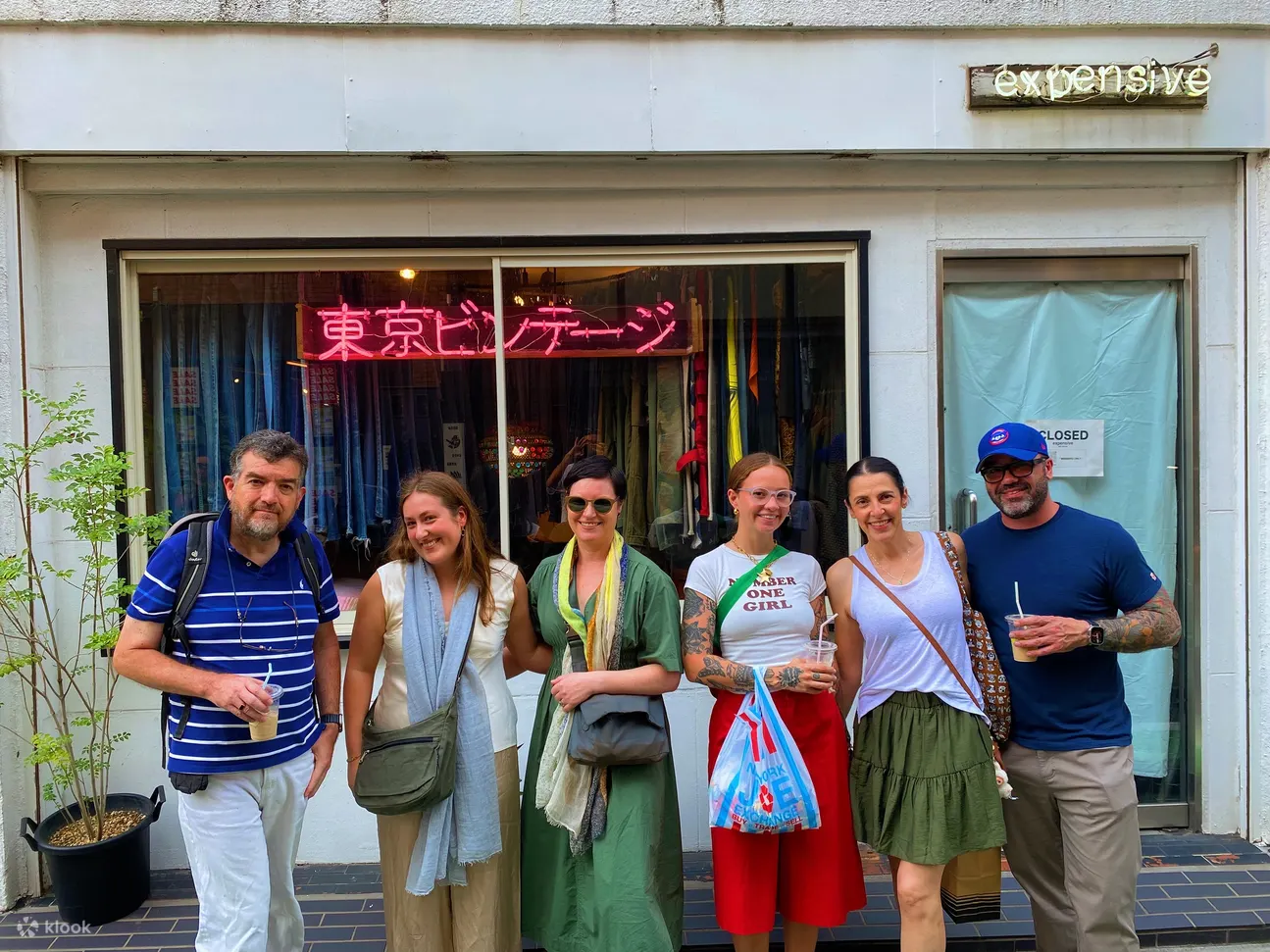
Shimokitazawa vintage, music & food tour
A guided experience focused on the same broader neighborhood culture that makes this pilgrimage interesting after the anime stops are finished.
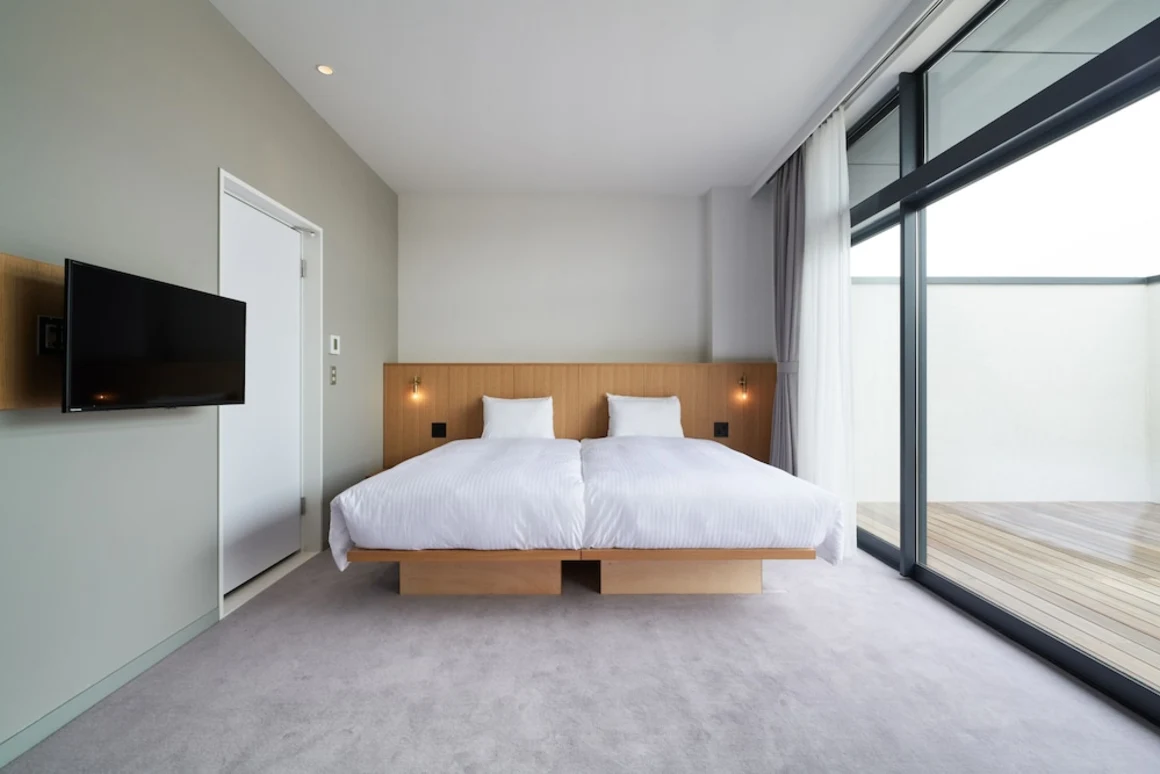
MUSTARD HOTEL SHIMOKITAZAWA
You do not need a hotel in Shimokitazawa for this short route. But if the neighborhood’s music, vintage and café culture is part of your Tokyo plan, this is the most thematically natural nearby stay. For general Tokyo hotel planning, see our Tokyo area guide.
Before you head out
You will be opening map pins throughout the walk. If needed, compare options in our Japan eSIM guide.
Shimokitazawa is simple by train from central Tokyo. If Japanese transit cards are new to you, see our IC card guide.
The Honda Studio area is changing. Save it as optional rather than letting redevelopment ruin the whole itinerary.
Is the Bocchi the Rock! Shimokitazawa pilgrimage worth it?
Yes — especially if you want an anime pilgrimage that still works as normal Tokyo sightseeing.
The route is compact, easy to reach, inexpensive and surrounded by reasons to stay after the fan-specific stops are done. That makes it very different from a rural pilgrimage where transport is the challenge. Here, the challenge is restraint: do not turn a living music neighborhood into a sequence of doorways to photograph.
Quick answers
How long does the Shimokitazawa pilgrimage take?
About two hours for a fast route, or around three hours if you add curry, shopping, photos and a slower walk through the neighborhood.
What is the best day to visit?
A weekday is best. The official Bocchi site specifically asks fans to avoid busy weekends and holidays when possible.
Can I enter SHELTER just to look around?
Do not assume so. SHELTER is a working live house. Check the venue schedule and ticket rules if you want to experience a show.
Is every stop an officially confirmed anime model?
No. This guide separates strong visual matches, fan-associated locations and route-context stops rather than calling every similar place an official model.
Is the artist-photo wall still there?
The area is time-sensitive because of redevelopment around Honda Studio. The guide was last checked in August 2026; verify current conditions before traveling.
Do I need to stay in Shimokitazawa?
No. The route is an easy half-day from central Tokyo. Staying nearby only makes sense if you want Shimokitazawa itself to be a bigger part of your Tokyo experience.
What about Enoshima or other Bocchi locations?
This guide intentionally stays focused on Shimokitazawa. Other areas work better as separate trips rather than making one article impossible to follow.
Final thought
The best part of this pilgrimage is realizing that the neighborhood does not need the anime to feel interesting.
You may arrive looking for STARRY, Kessoku Band photo spots and familiar streets. But if the route works, you leave remembering the basement live houses, old theater signs, curry, vintage racks and the feeling of walking through Shimokitazawa itself.