Your Name. Pilgrimage in Tokyo
A relaxed route through Yotsuya, Shinanomachi and the real-life stairs behind one of anime’s most memorable endings.
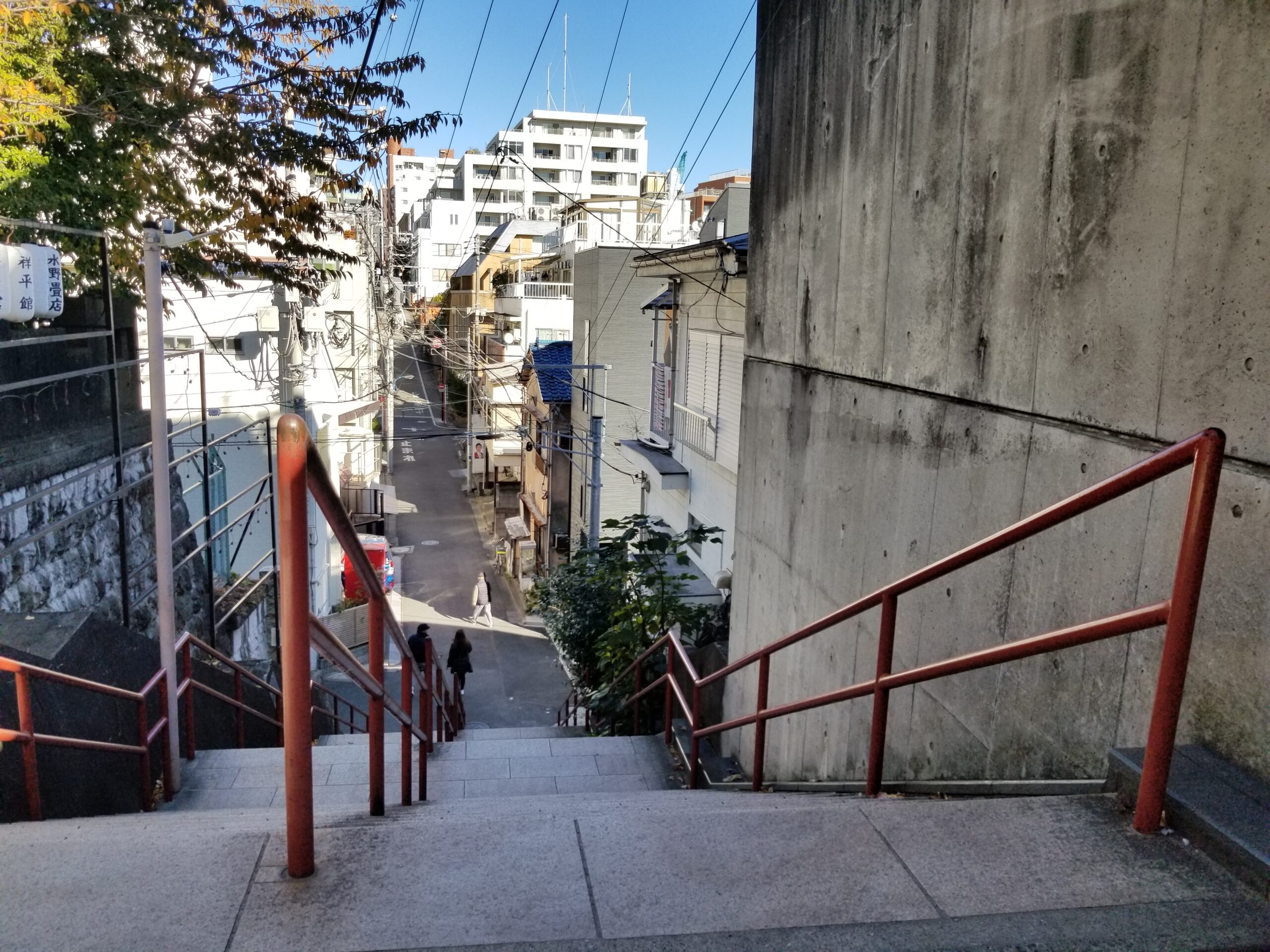
This route is designed for a relaxed pilgrimage, not for collecting the maximum number of locations in the shortest time.
A relaxed Your Name. route through Tokyo
Tokyo has dozens of streets, stations and skyline shots that fans have connected to Your Name.. This guide deliberately does not try to collect all of them.
Instead, it follows one relaxed route through four of the film’s most memorable central-Tokyo locations: the Yotsuya meeting point, the date at the National Art Center, the Shinanomachi footbridge, and finally the Suga Shrine stairs.
The goal is simple: spend less time checking maps and more time enjoying the places. You will find the useful station exit, what to look for, where a comparison photo works best, how the location looks today, and when a stop is especially pleasant to visit.
There is no need to race the clock. Start in the late morning, leave room for a café break and photos, and let Suga Shrine feel like the finale rather than another pin to clear from a list.
Four stops, one emotional arc
Hot, rainy or tired? Skip the longer outdoor leg between Roppongi and Shinanomachi and use transit or a taxi. The walk is an experience upgrade, not a requirement.
Affiliate disclosure: If you buy through these CDJapan links, Life with Saki may earn a commission at no extra cost to you. We only include items that are editorially relevant to this pilgrimage.
Official Japanese Picks · CDJapan
Availability checked August 26, 2026 · prices intentionally omitted
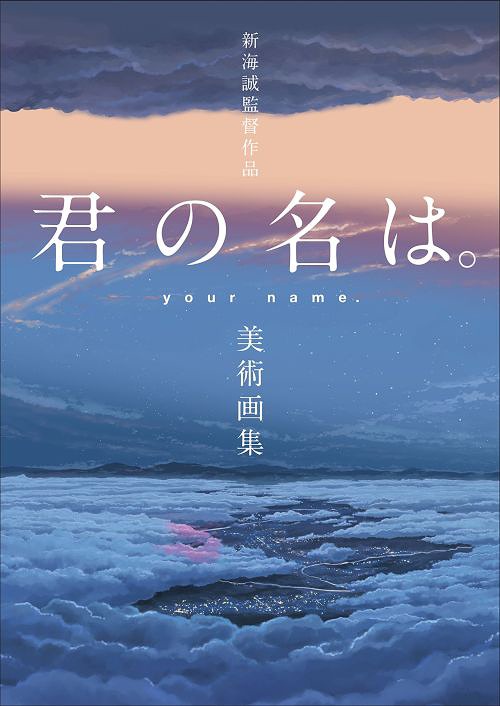
Shinkai Makoto Work “Your Name.” Art Book
The strongest companion to this route is the official art book: it focuses on the film’s background art, including Tokyo streets and locations rather than turning this section into a generic merchandise shelf.

Yotsuya Station: The Date Begins
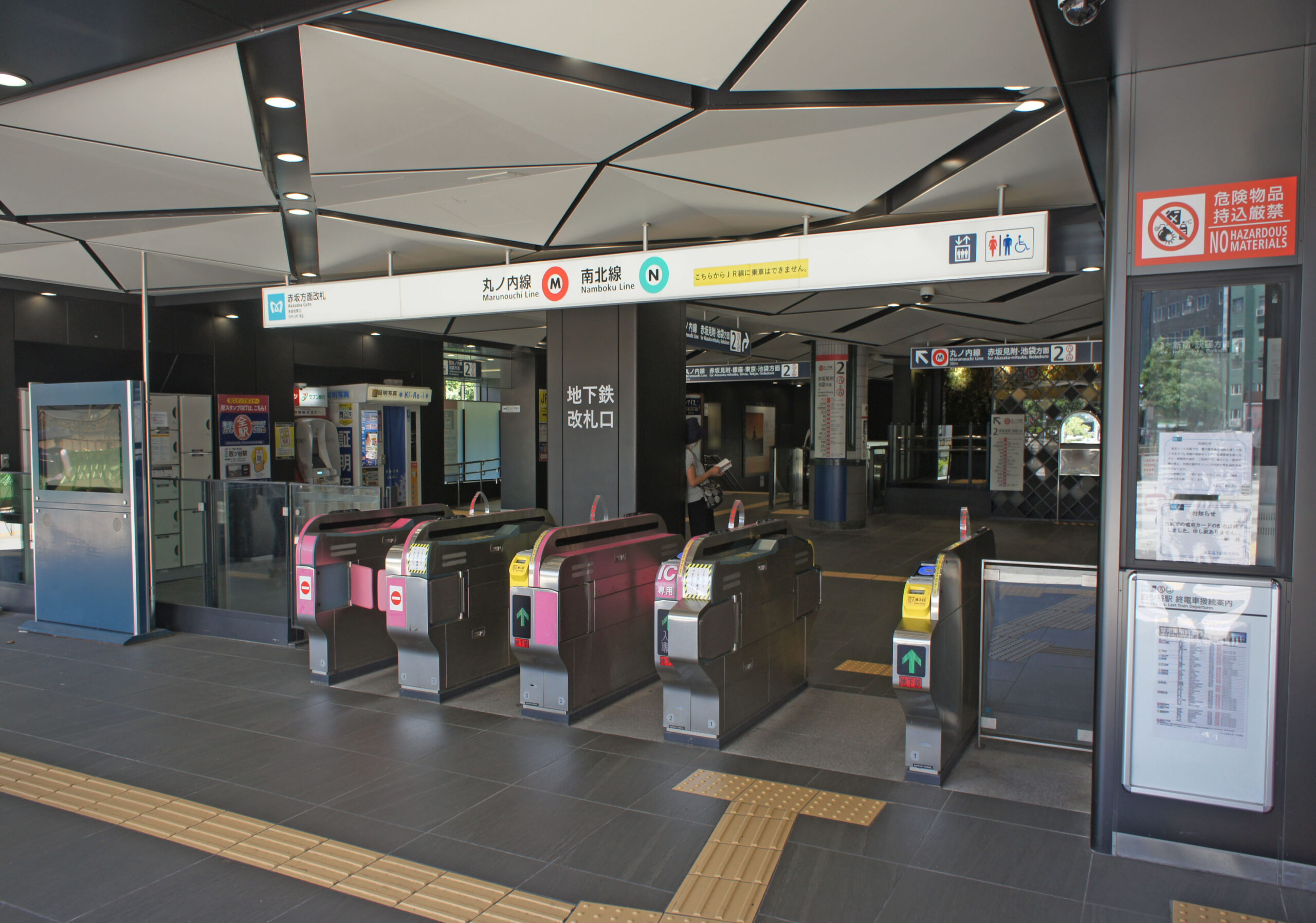
Start at Yotsuya Station’s Akasaka Exit, the side most closely associated with Taki and Okudera’s meeting before their date.
This is a good opening stop because you do not need to hunt for a hidden alley or enter private property: arrive at the station, use the Akasaka side, and spend a few minutes orienting yourself before the route moves into Roppongi.
The station surroundings have changed since the film was released, so do not expect every sign, wall and piece of street furniture to look frozen in 2016. Treat this as an anime-vs-now stop rather than forcing a perfect frame match.
Next: use Tokyo Metro toward Nogizaka Station, then take Exit 6, which connects directly to the National Art Center.
The National Art Center & ROND: Slow Down Here
From Yotsuya, head to Nogizaka Station and use Exit 6, which connects directly to the National Art Center.
The reason this stop belongs in the route is not just the building. Salon de Thé ROND, the circular tea room on the second floor, is the place to stop trying to “complete” the pilgrimage for a while.
ROND currently opens from 11:00 a.m. to 6:00 p.m. with a 5:30 p.m. last order and normally closes on Tuesdays with the museum. You do not need an exhibition ticket simply to use the tea salon.
Photography note: The National Art Center has specific rules on photography and commercial use of images. Follow the signs and staff instructions on the day. Life with Saki intentionally does not republish a building photograph here; the map and official link are the reliable reference.
Walk the next leg—or don’t.
On a comfortable day, the journey from the National Art Center toward Shinanomachi is worth treating as part of the pilgrimage: central Tokyo gradually shifts from Roppongi and Aoyama into the greenery around Meiji Jingu Gaien.
Allow roughly half an hour of walking, plus whatever time you spend stopping for photos or simply looking around. But this is an experience upgrade, not a test of commitment.
Shinanomachi Footbridge: A Quiet Tokyo Pause
The pedestrian footbridge beside Shinanomachi Station is one of the strongest stops in this route because the location is not based only on fan comparison: Shinjuku City’s own English walking map identifies the bridge as appearing in Your Name..
Walk onto the bridge and give yourself a moment before taking the camera out. The appeal is the combination of ordinary commuter infrastructure, rail lines, trees and open city views—the kind of everyday Tokyo scenery that Shinkai turns into something emotionally larger.
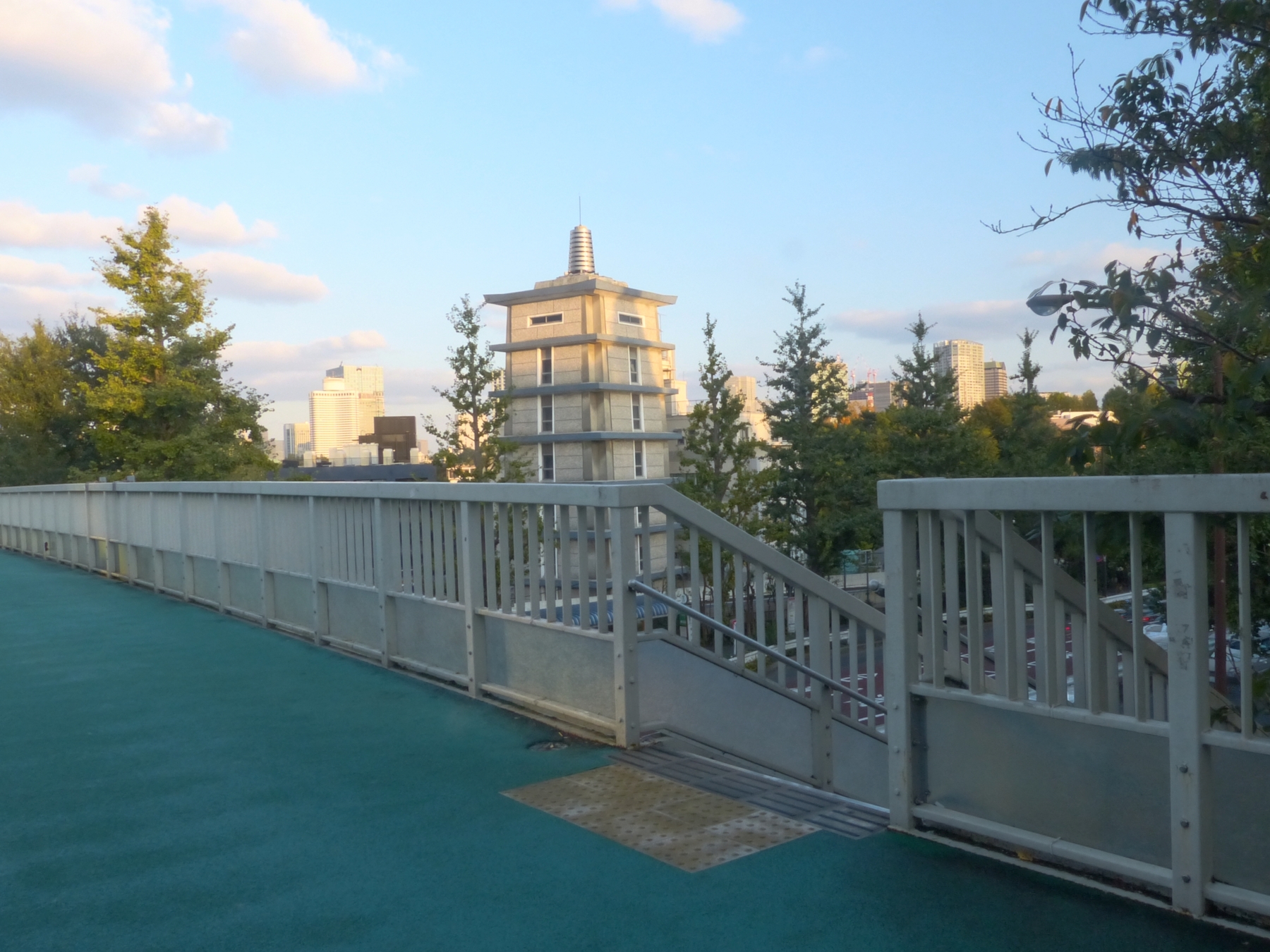
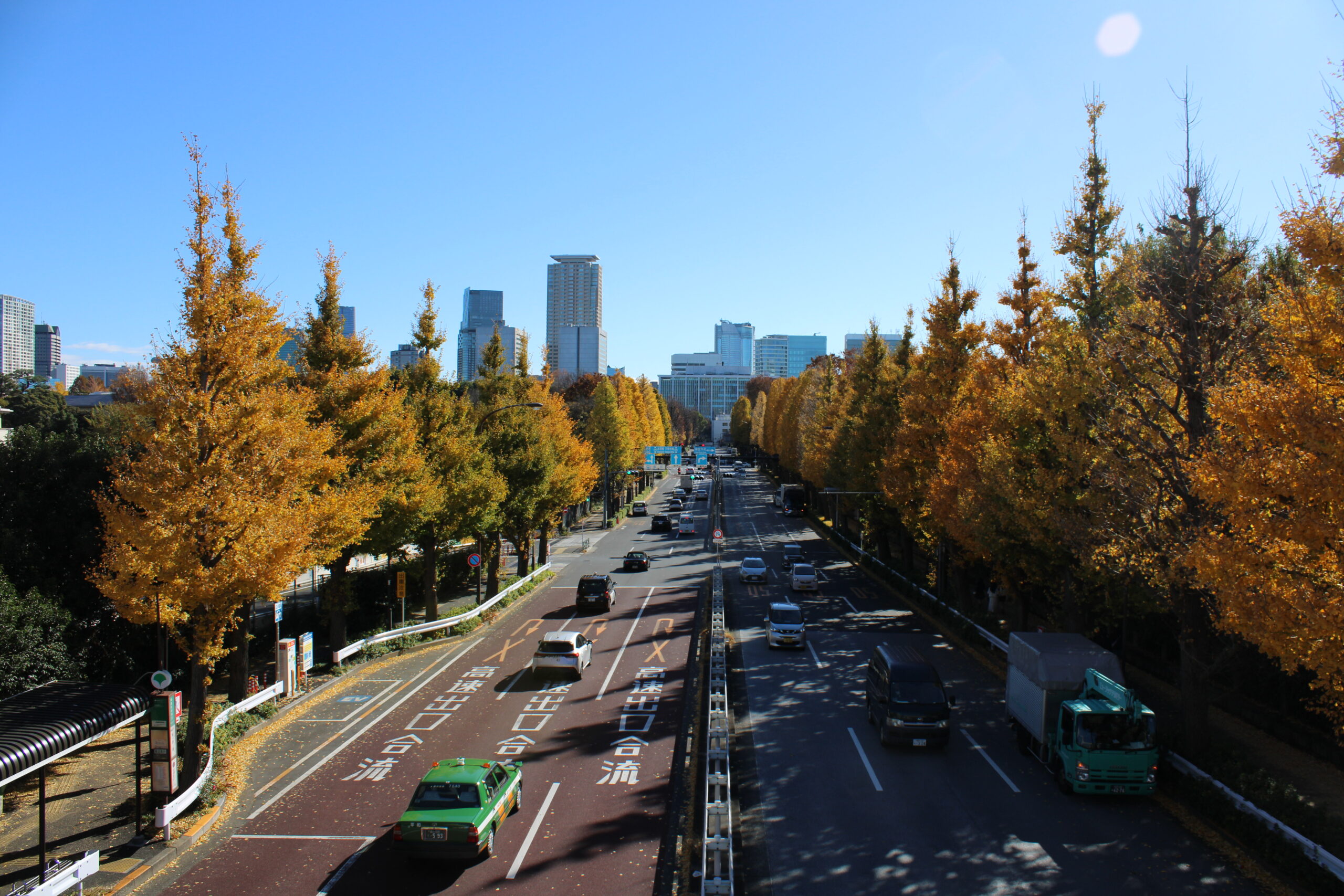
Manners: Do not place a tripod across the walkway or ask commuters to move for a recreation shot.
Let the city get quieter before the finale
From Shinanomachi, the character of the route changes.
You are leaving the larger museum-and-Gaien part of the day and moving back into the narrower streets around Yotsuya. Suga Shrine is only about a 10-minute walk from Shinanomachi Station according to the shrine’s official access information, so there is no reason to rush this final approach.
This is a good place to put the phone away for a few minutes. The small slopes, residential streets, overhead cables and everyday neighborhood details are part of why the final location works so well. You are not walking through a theme park—you are walking through a real neighborhood that happens to have become one of anime tourism’s most recognizable places.
Keep voices low, stay on public paths, and save the longer photo session for the stairs themselves.
Suga Shrine Stairs: Save the Best Stop for Last
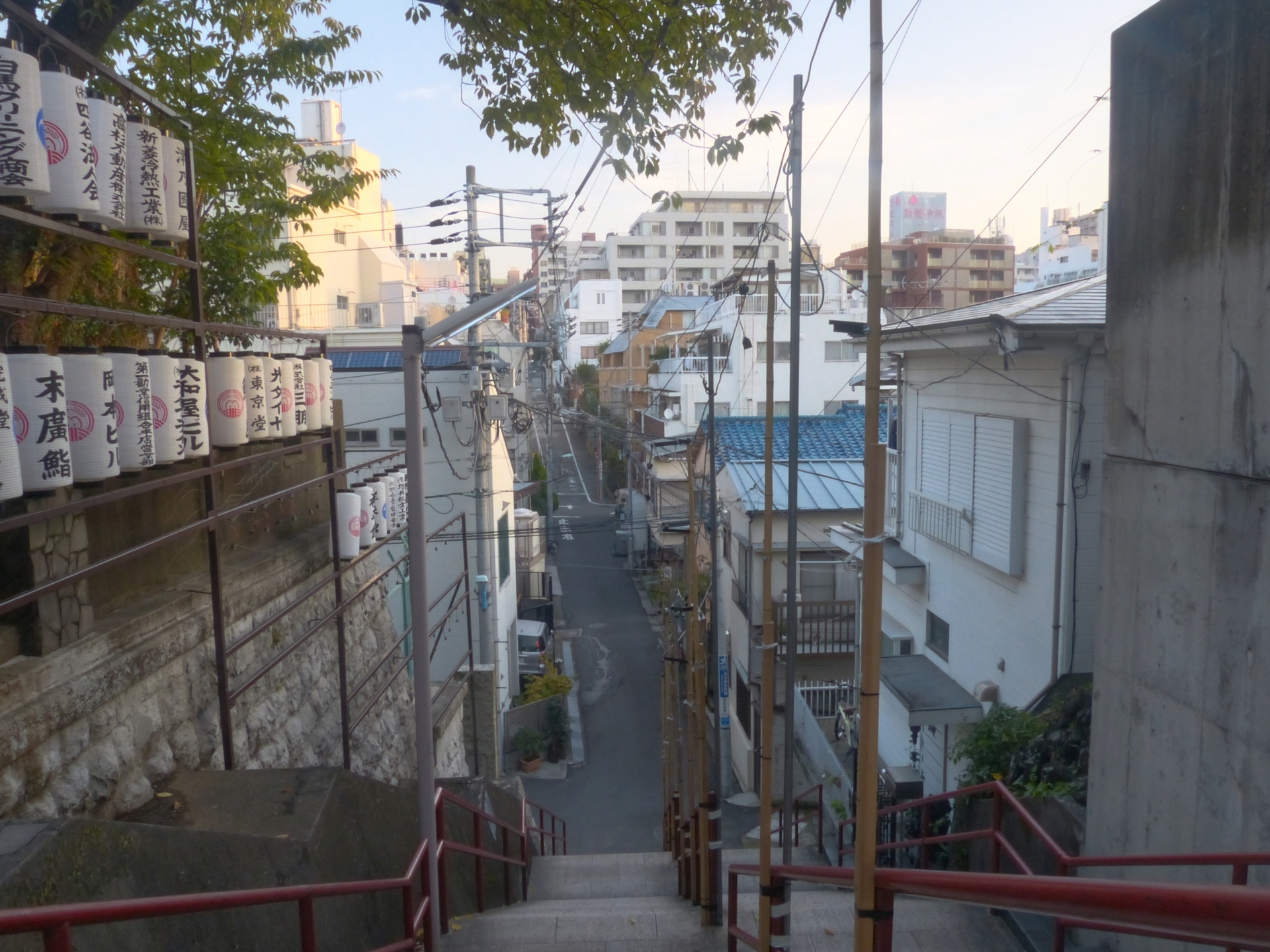
This is the location most travelers came for, and the route deliberately saves it for last.
The staircase below Suga Shrine is recognizable immediately: stone steps, red rails, the narrow street below and the quiet Yotsuya neighborhood around it. The shrine’s official access information puts it about a 10-minute walk from both Yotsuya and Shinanomachi stations.
Do not treat this as a single “take the picture and leave” stop. Walk the staircase once without worrying about the camera. Look from the bottom, then from the top. If you are visiting during the shrine’s open hours, continue up and pay your respects rather than treating the grounds as a film set.
Best experience: Late afternoon gives this route a natural finale. It is a recommendation, not a deadline. For a quieter staircase, an early-morning visit on a separate day may work better.
Current access: The shrine currently lists its gate as open from 6:00 a.m. to 5:00 p.m., with a 6:30 a.m. opening from November through February. Check again before visiting.
Address: 5-6 Sugacho, Shinjuku City, Tokyo 160-0018
When is the best time to do this Your Name. pilgrimage?
There is no single “correct” season. The best choice depends on whether you care most about comfortable walking, green Tokyo scenery or the hot-summer atmosphere associated with the film.
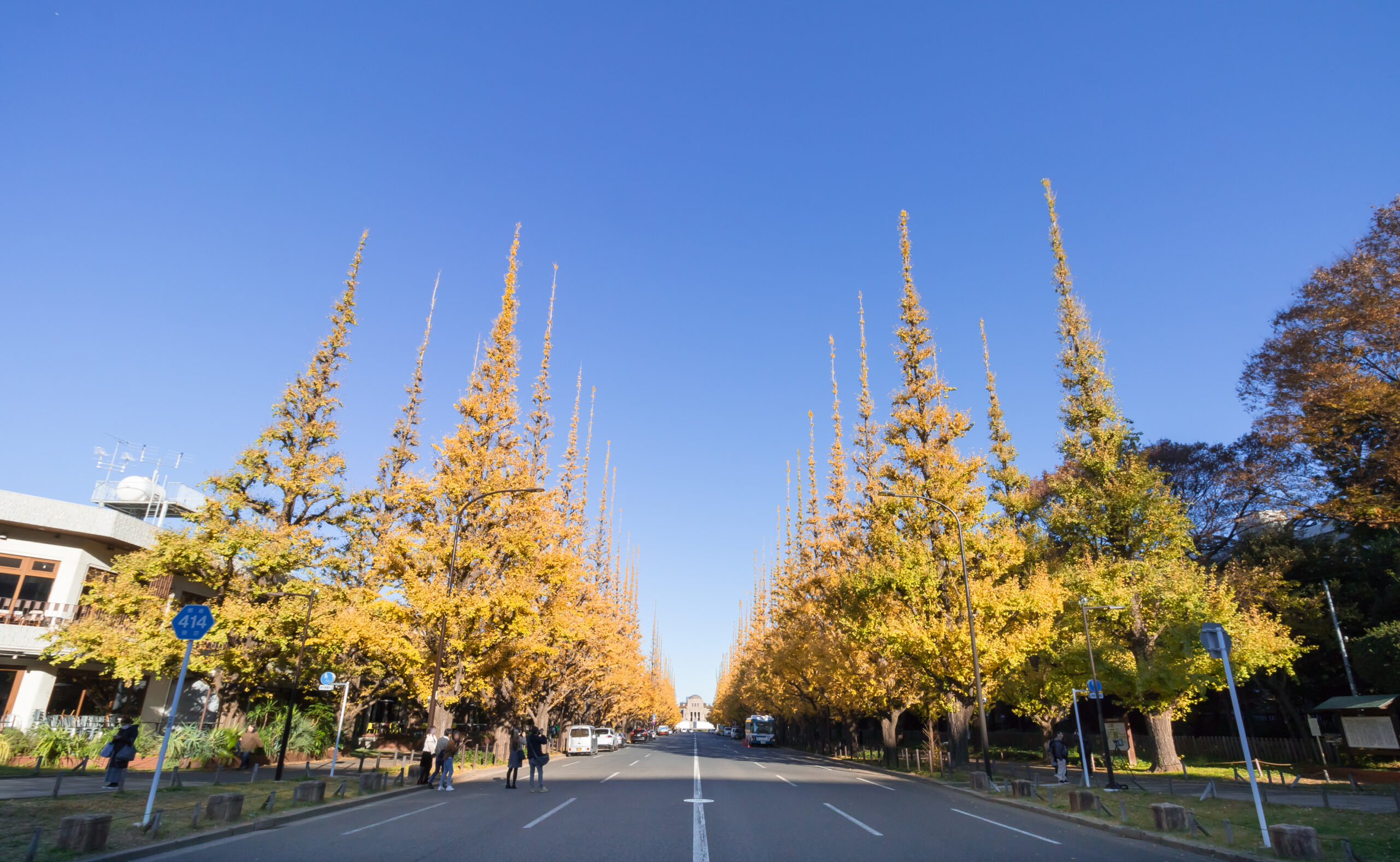
Best overall: October–November
For most travelers, this is the easiest version of the route. October is less humid and well suited to outdoor sightseeing; in November, autumn color around Meiji Jingu Gaien can make the outdoor section part of the experience.
Trade-off: foliage areas can be crowded on weekends and holidays.
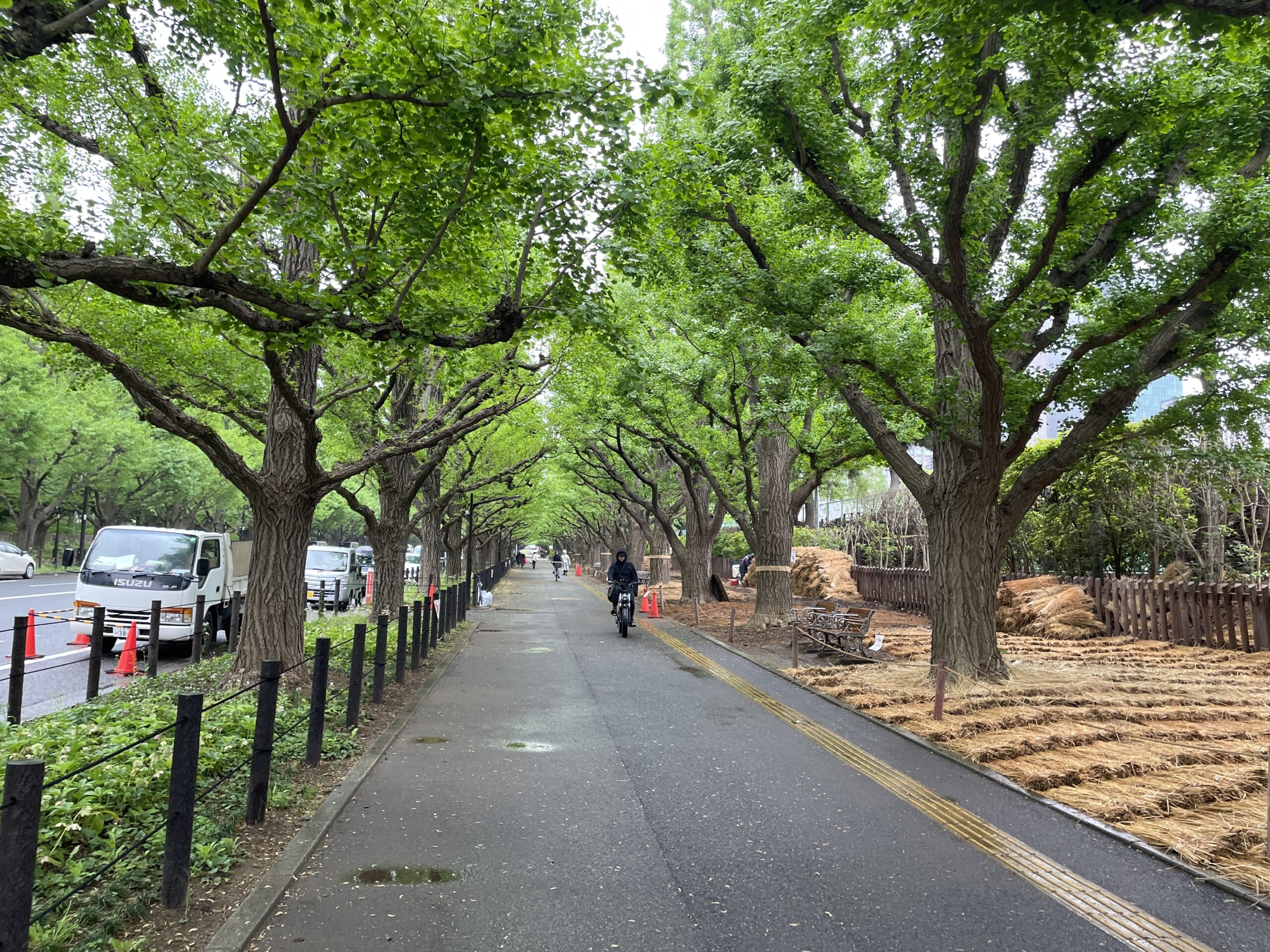
Fresh green Tokyo: May
May is the strongest alternative for bright leaves, mild temperatures and a spring version of the city.
Trade-off: Golden Week at the beginning of May brings much heavier crowds.
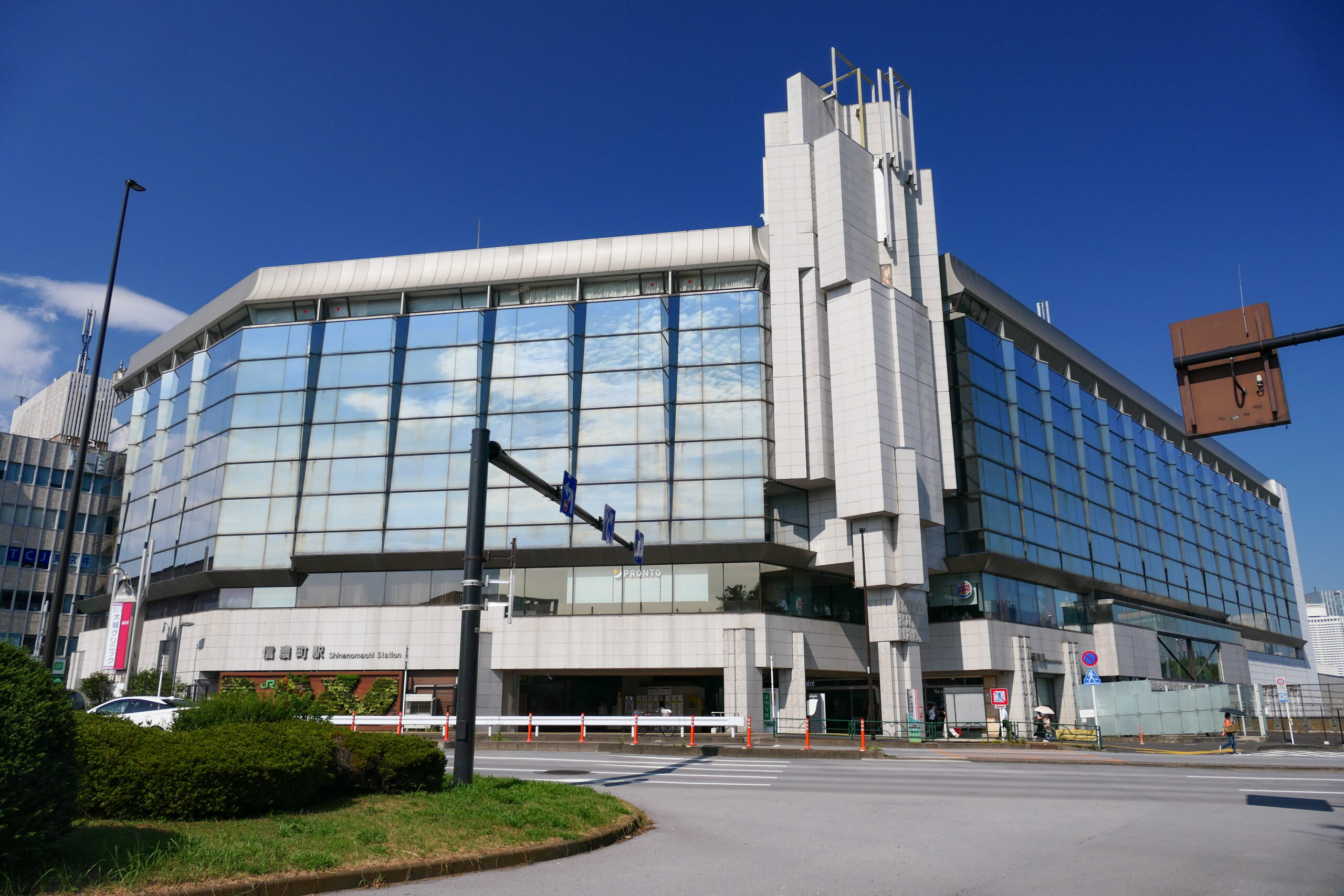
Film-like mood: June–August
Blue skies, vivid greenery and humid summer light can feel visually right for Your Name., but this is not the comfort pick.
Shorten exposed walking, take longer indoor breaks, carry water and do not force the Roppongi–Shinanomachi walk.
Best light at Suga Shrine: Late afternoon is the recommended mood for the main route, but weather, season and surrounding buildings change the light. Treat it as a flexible suggestion—not a promise of a particular sun angle. For an emptier staircase, prioritize morning instead.
Dinner at Cafe La Bohème
Food visual: official Cafe La Bohème Instagram post. Menu items and presentation can change; check the current menu before visiting.
If Suga Shrine feels like the right place to end the pilgrimage, end it there.
If you are not ready to leave Taki’s Tokyo yet, continue to Cafe La Bohème Shinjuku Gyoen, the real restaurant long associated with the café where Taki works in the film.
This works better as an epilogue than as another stop you have to check off. Sit down, eat properly, and let the day finish indoors.
The Shinjuku Gyoen branch currently stays open until 11:30 p.m.. On weekdays, a minimum charge of ¥1,100 including tax per person applies after 5:00 p.m.; on weekends and public holidays, it applies all day.
Photograph the locations without turning them into a set
Anime pilgrimage works because these are real places. That also means the route has to work for the people who use them every day.
- Keep station gates and stairs clear.
- Do not set up tripods across the Shinanomachi footbridge.
- Stay out of the road below Suga Shrine.
- Keep voices low in residential streets.
- Do not enter private property for a closer angle.
- At the shrine, remember that worship comes before photography.
- Follow the National Art Center’s photography rules and staff instructions.
- A location may look different from 2016. Do not move signs, objects or barriers to recreate an old frame.
A good pilgrimage photo is one you can take safely without making the location worse for the next visitor.
Frequently Asked Questions
Is Suga Shrine the staircase from Your Name.?
The public staircase immediately below Suga Shrine in Yotsuya is the most famous real-life location associated with the film’s ending. It has become one of Tokyo’s best-known anime pilgrimage spots.
How long does this Tokyo Your Name. route take?
Allow about 5–6 hours for the four main stops at a relaxed pace. Add more time if you stay for a full meal or exhibition, or continue to Cafe La Bohème for dinner.
Can I do the route entirely on foot?
You could walk much more of it, but there is little reason to. Use the train between Yotsuya and the National Art Center area. The longer outdoor section toward Shinanomachi is optional and is best treated as a pleasant-weather walk.
What is the best season?
October–November is the best overall choice for comfortable walking. May is excellent for fresh green scenery. Summer can feel visually close to the film but is much hotter and more humid.
What is the best time for the Suga Shrine stairs?
For the route experience, late afternoon is the recommended finale. If your priority is a quieter staircase for photos, morning can be better. Do not structure the whole day around a precise sunset minute.
Is the National Art Center free?
The building has exhibitions with their own admission rules, but the museum’s official restaurant/café information states that you do not need to pay museum admission simply to use Salon de Thé ROND.
Do I need a car?
No. The route is designed for rail and walking.
Is Cafe La Bohème required?
No. It is an optional dinner after the main pilgrimage. Suga Shrine is the intended emotional finish.
Does this guide include Hida-Furukawa?
No. This article is intentionally limited to one executable Tokyo trip. Hida-Furukawa is a separate travel destination and should be handled in a dedicated guide rather than forcing two regions into one itinerary.
Related guides
- Hero / Suga Shrine stairs: Yuet Man Lee, CC BY-SA 4.0, via Wikimedia Commons. Cropped and compressed for layout.
- Yotsuya Station Akasaka-side gate: Mister0124, CC BY-SA 4.0, via Wikimedia Commons. Cropped and compressed for layout.
- Shinanomachi footbridge 2016: Hisagi, CC BY-SA 4.0, via Wikimedia Commons. Compressed for layout.
- Shinanomachi current reference 2024: Yuet Man Lee, CC BY-SA 4.0, via Wikimedia Commons. Cropped and compressed for layout.
- Suga Shrine high-angle view: Hisagi, CC BY-SA 4.0, via Wikimedia Commons. Compressed for layout.
Official and product information last checked August 26, 2026. Opening hours and availability can change; use the linked official pages before visiting or ordering.