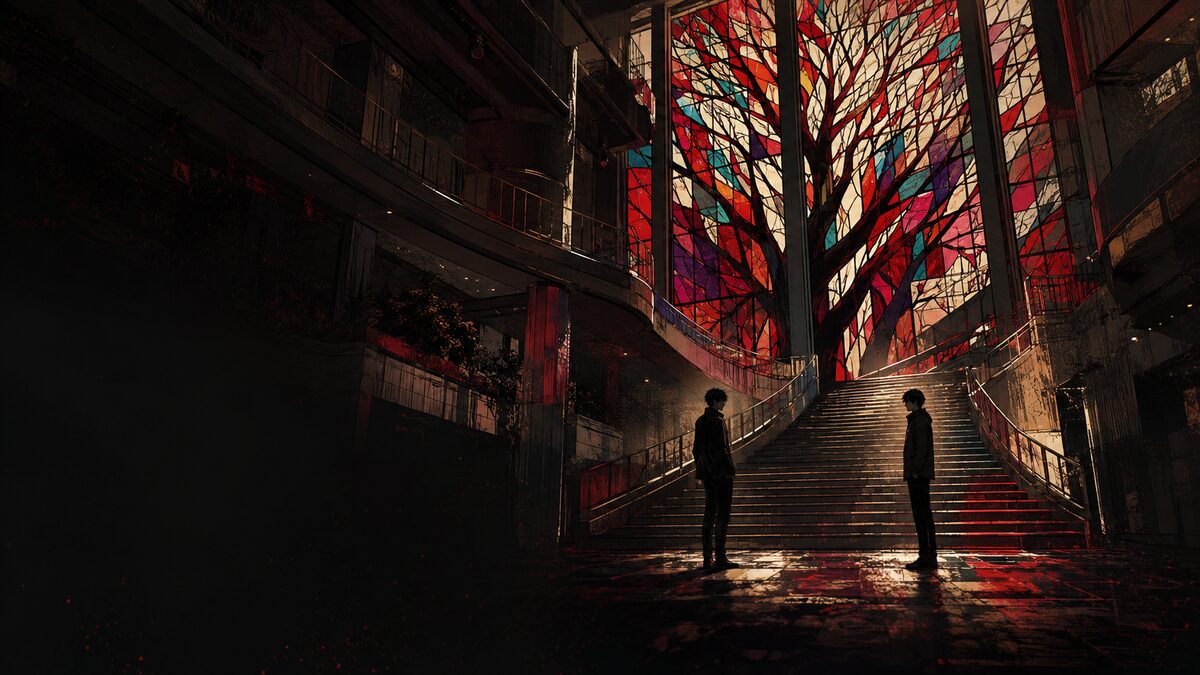
Jujutsu Kaisen Season 3 Real-Life Locations in Tokyo: Culling Game Routes
Exact Culling Game locations, safe photo positions, and three routes from the ruined city of Episode 48 to Tokyo No. 1 Colony.
This guide contains location and arc spoilers through anime Episode 58 and manga Chapter 173. Episode 59 moves to Sendai and is intentionally excluded from this Tokyo route.
Tokyo is not one route. It is three different moods.
Season 3 turns familiar Tokyo into a sequence of thresholds: a stained-glass atrium, a river bridge, Ginza after catastrophe, an old estate, and the hard geometry of Ikebukuro. Trying to force every location into one day creates a rushed checklist. This guide groups the places by story logic and travel geography, so the trip still feels like a Tokyo holiday.
The first route follows Yuji and Yuta through Episode 48. The second treats the Zenin estate references as a slow architectural visit. The third enters Tokyo No. 1 Colony around Ikebukuro. All map buttons point to the actual building or the safest reproducible viewpoint—not merely “somewhere in the area.”
Official Japanese Picks · CDJapan
Affiliate disclosure: Life with Saki may earn a commission from qualifying CDJapan purchases at no extra cost to you.
The Culling Game: Part 1 · Blu-ray Vol.1
The closest match to this Tokyo guide: the first Japanese Blu-ray volume contains Episodes 48–50, including the opening material behind Route 01.
 Blu-ray Vol.2Episodes 51–53 · the bridge into the colony phase.VIEW AT CDJAPAN →
 Jujutsu Kaisen 19Japanese manga volume centered on the Tokyo No. 1 Colony and Higuruma.VIEW AT CDJAPAN →
 Culling Game Monife · YujiOfficial Season 3 collectible scheduled for September 2026.VIEW AT CDJAPAN →
 Culling Game Monife · ChosoOfficial Season 3 collectible scheduled for September 2026.VIEW AT CDJAPAN →
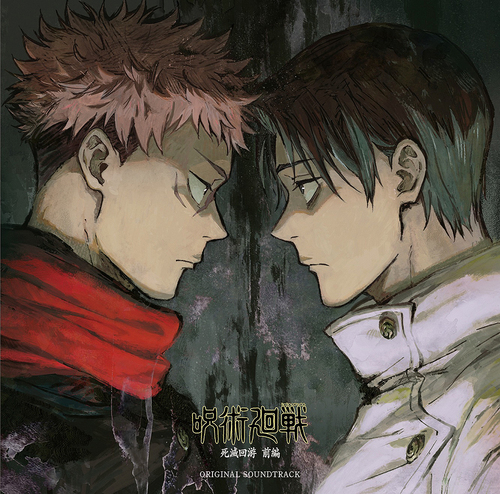 Culling Game Part 1 Original SoundtrackThree-disc soundtrack including “Execution” and “Tokyo No.1 Colony.”VIEW AT CDJAPAN →
Availability can change. These are Japanese-market releases; subtitle, audio, and text-language support varies by item, so confirm the current product details on CDJapan before ordering. CDJapan promotional imagery is used only with the matching affiliate products.
Choose your intensity.
Half day / central Tokyo
3–4 hours / Koganei
2–3 hours / Ikebukuro
Route 01 + Route 03
From the boundary hall to Kabuki-za.
This is the most cinematic route: quiet conversation in Iidabashi, an exposed riverside hunt, then the compressed Ginza pursuit. Allow 4–5 hours with train transfers and photo stops.
Iidabashi RAMLA — Central Plaza atrium
Yuji and Choso speak beneath the distinctive stained glass. Enter the Central Plaza section rather than wandering the shopping floors.
Stand: 1F at the foot of the broad staircase in the 1F–2F atrium. Face: toward the stained-glass work “Daiju.” Frame: staircase rail, glass, and open atrium in one vertical composition. A normal phone lens is enough. Keep circulation clear.
Tsukuda Bridge — north pedestrian path
The key identifiers are the curved lamps, the small red “no crossing” signs, and the St. Luke’s Garden towers beyond the river.
Chuo City’s construction material states that the upstream/north-side walkway is scheduled to close during barrier-free works beginning in FY2026. Do not enter a closed section to reproduce the shot. Use only the sidewalk shown as open on local signs; the downstream side can provide a general bridge view, but not the exact anime angle. Recheck access immediately before visiting.
Higashi-Ginza overpass — use Ginza Tokimeki Bridge
Use the pedestrian bridge as the observation point for the layered road geometry. Treat the road below as a scene location only.
Stand: on Ginza Tokimeki Bridge, clear of the stairs. Face: toward Miharabashi / the Higashi-Ginza overpass. Frame: compress the ramps with a 2× phone lens. Do not stop on traffic islands or descend into vehicle space.
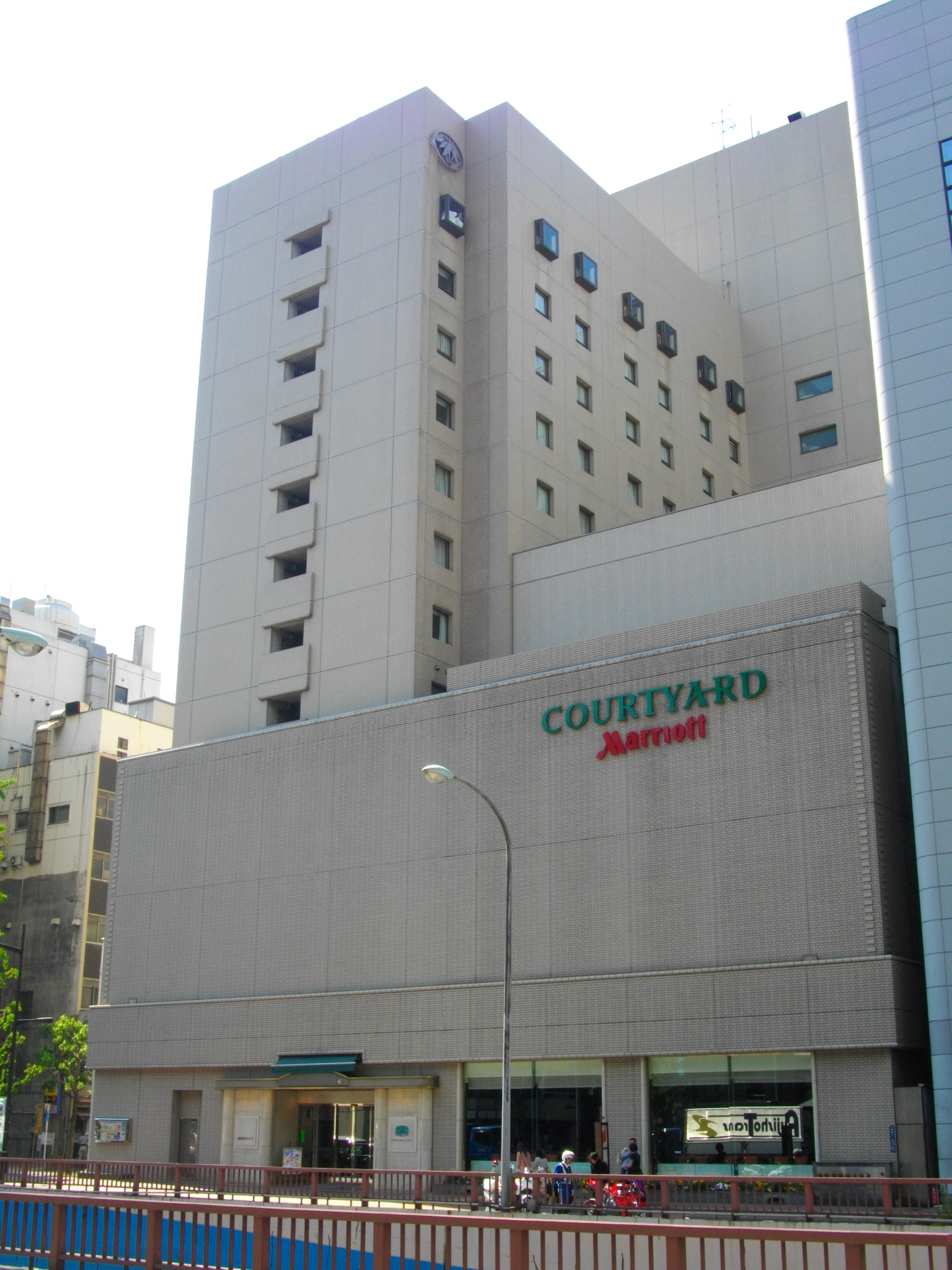 Exact building · exterior
Courtyard by Marriott Tokyo Ginza
Yuta’s entrance is tied to this hotel frontage at 6-14-10 Ginza. Photograph from the public sidewalk and keep the entrance clear for guests.
Stand: opposite the main frontage on the public sidewalk. Face: square to the hotel facade. Lens: 1× for context, 2× for a tighter entrance frame. This location doubles as the route’s most story-connected stay.
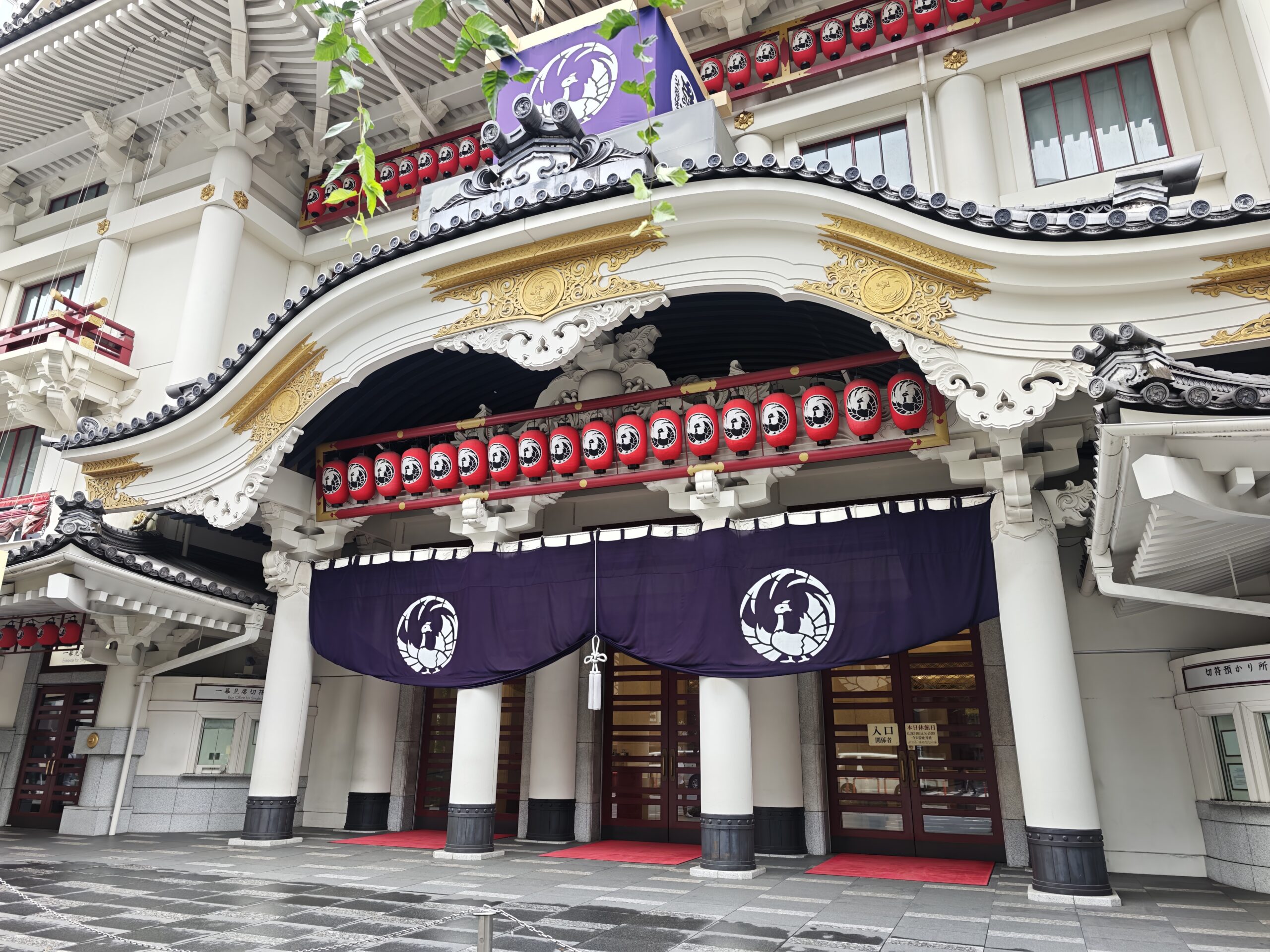 Exact building · photographed June 2026
Kabuki-za — route climax
The white-and-red facade is the natural finale of the chase. It is also a real cultural venue, so the visit works even for a companion who is not following the anime.
Stand: on the south sidewalk of Harumi-dori, across from the main facade. Face: north and center the central entrance. Time: early morning minimizes crowds; evening lanterns add atmosphere. Do not shoot from the roadway or block the station exit.
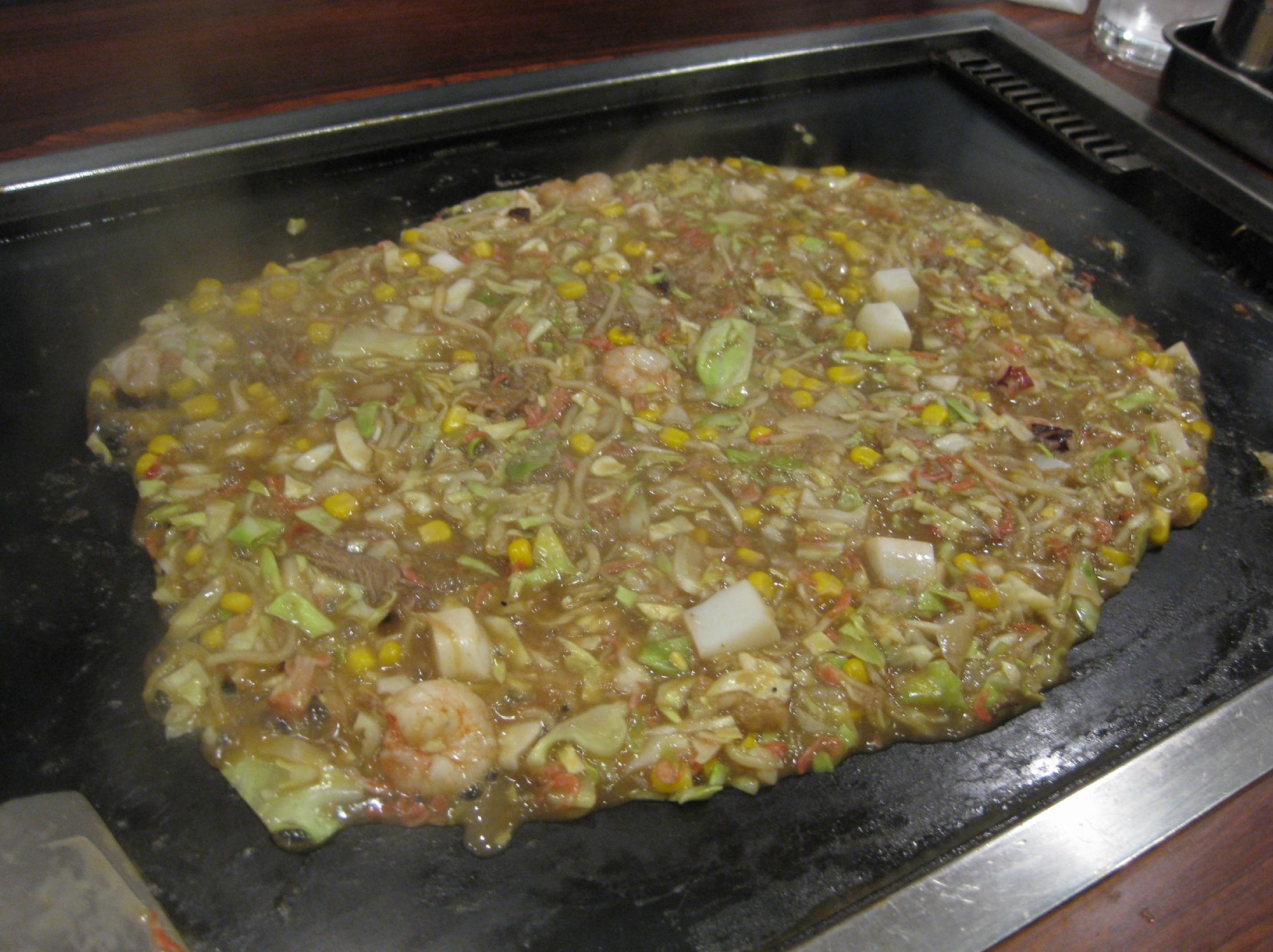 Tsukishima dish photo · Public domain / Kyoww
Tsukishima Monja Street
Turn the bridge transfer into a Tokyo meal: Tsukishima’s official tourism guide describes a street lined with more than 80 monjayaki restaurants. Pick a busy shop with an English menu, say it is your first time, and staff will often explain how to cook the batter on the griddle.
Order: one seafood or mentaiko monja for two people, then add another only if you are still hungry. The photograph was taken in Tsukishima and shows the dish during cooking.
Architecture before combat.
The Edo-Tokyo Open Air Architectural Museum is not a quick roadside stop. Give the preserved buildings room to breathe and check the official calendar before traveling to Koganei.
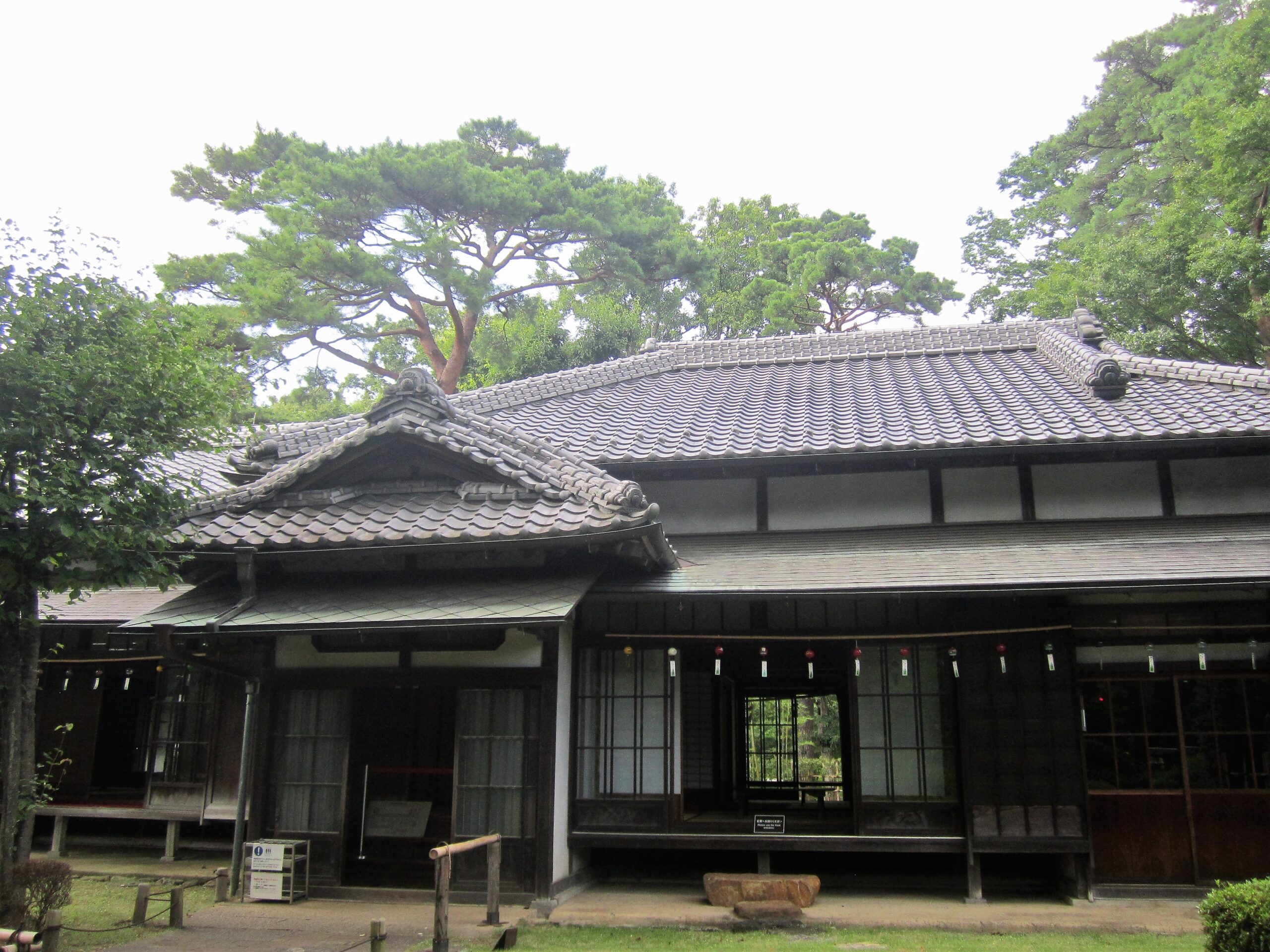 Exact museum building · C4
C4 Second House of the Nishikawa Family
The low roofline, deep veranda, and garden-facing rooms provide one of the clearest architectural anchors for the Zenin estate material.
Stand: on the designated garden-side visitor path. Face: square to the long veranda. Frame: keep the layered roof and open corridor visible. Follow rope barriers; do not step onto the lawn or veranda unless the museum route explicitly permits it.
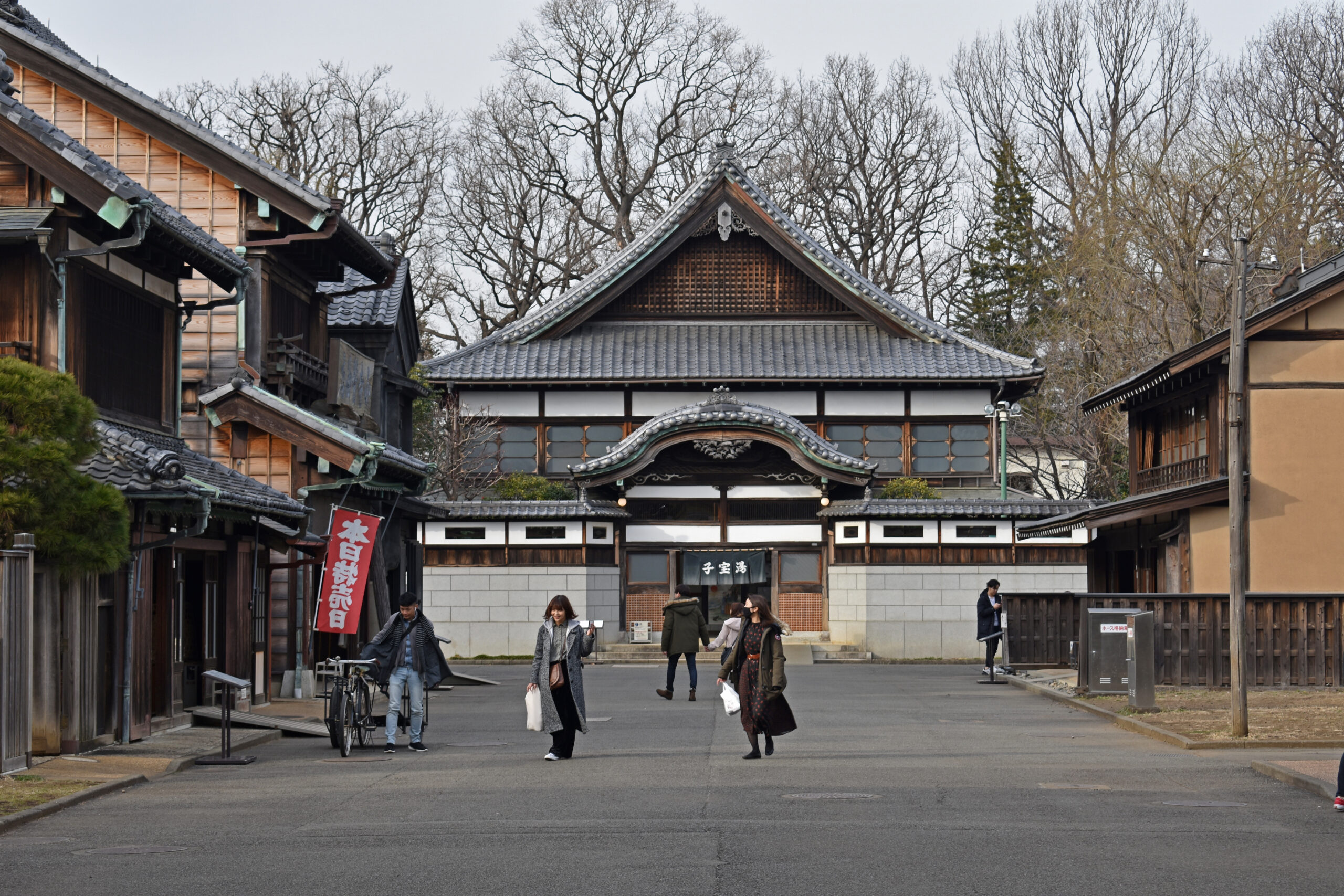 Exact museum building · E4
E4 Kodakarayu
This preserved public bathhouse supplies the unmistakable gabled facade and is one of the museum’s strongest visual rewards.
Stand: on the centerline of Shitamachi-naka Street, only when clear of other visitors. Face: directly toward the “子宝湯” entrance sign. Lens: 1× horizontal for the street context; 2× vertical for the gable. Move immediately if you obstruct circulation.
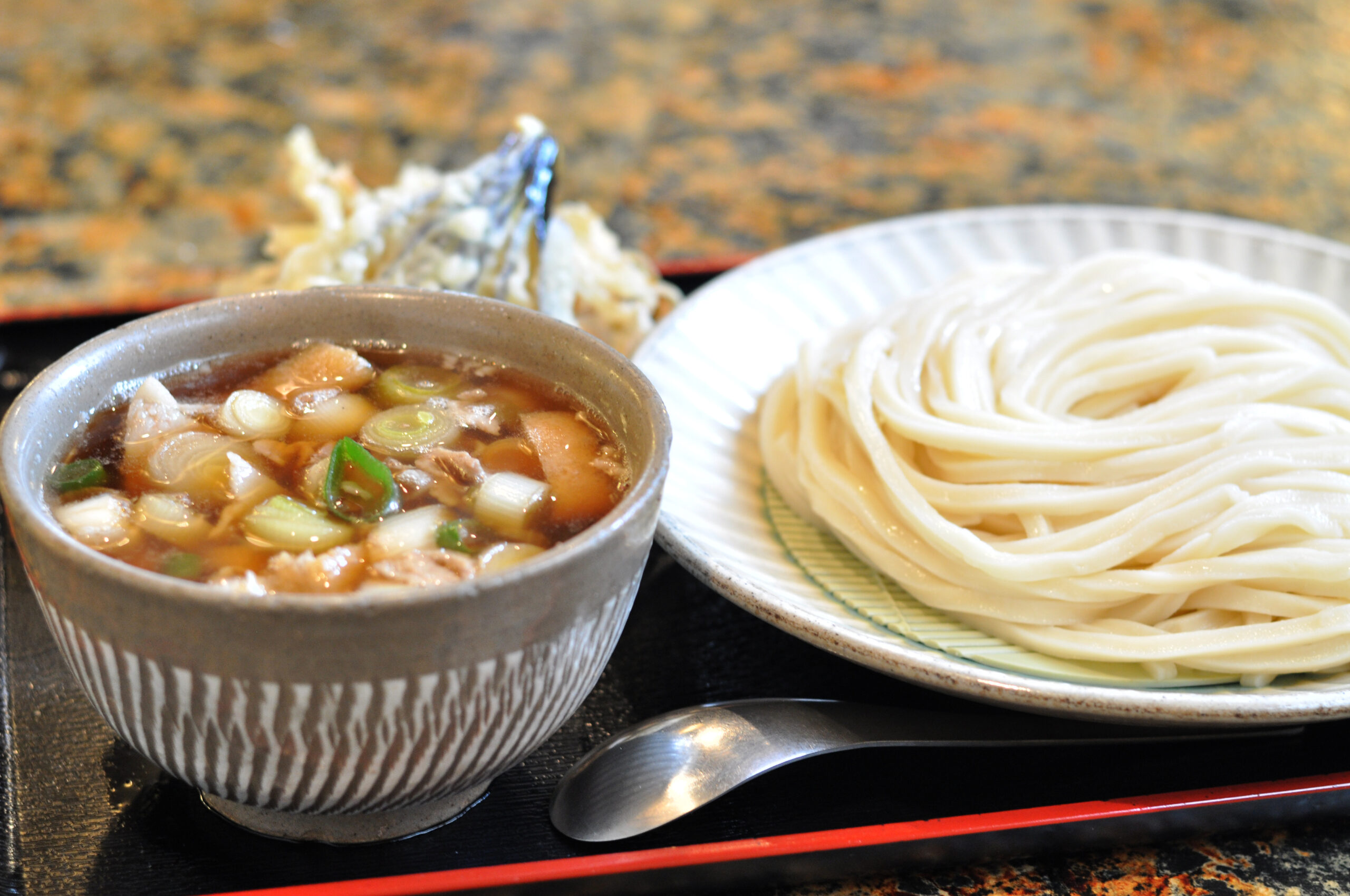 Representative Musashino udon · CC BY-SA 4.0 / Ocdp
Musashino udon at Tabemono-dokoro Kura
Stay inside the architectural experience instead of rushing back to the station. The museum lists Kura in the East Zone as a place to eat Musashino udon, the thick, chewy regional noodles associated with western Tokyo.
Important: the photograph is a representative Musashino-udon serving, not Kura’s exact plating. Restaurant hours and sold-out items can differ from museum hours, so check the official shop page on the day.
Enter Tokyo No. 1 Colony.
Ikebukuro is the easiest route logistically and the strongest after dark. Start at the west exit, work around the theatre, then finish at Rikkyo’s red-brick gate before campus access closes.
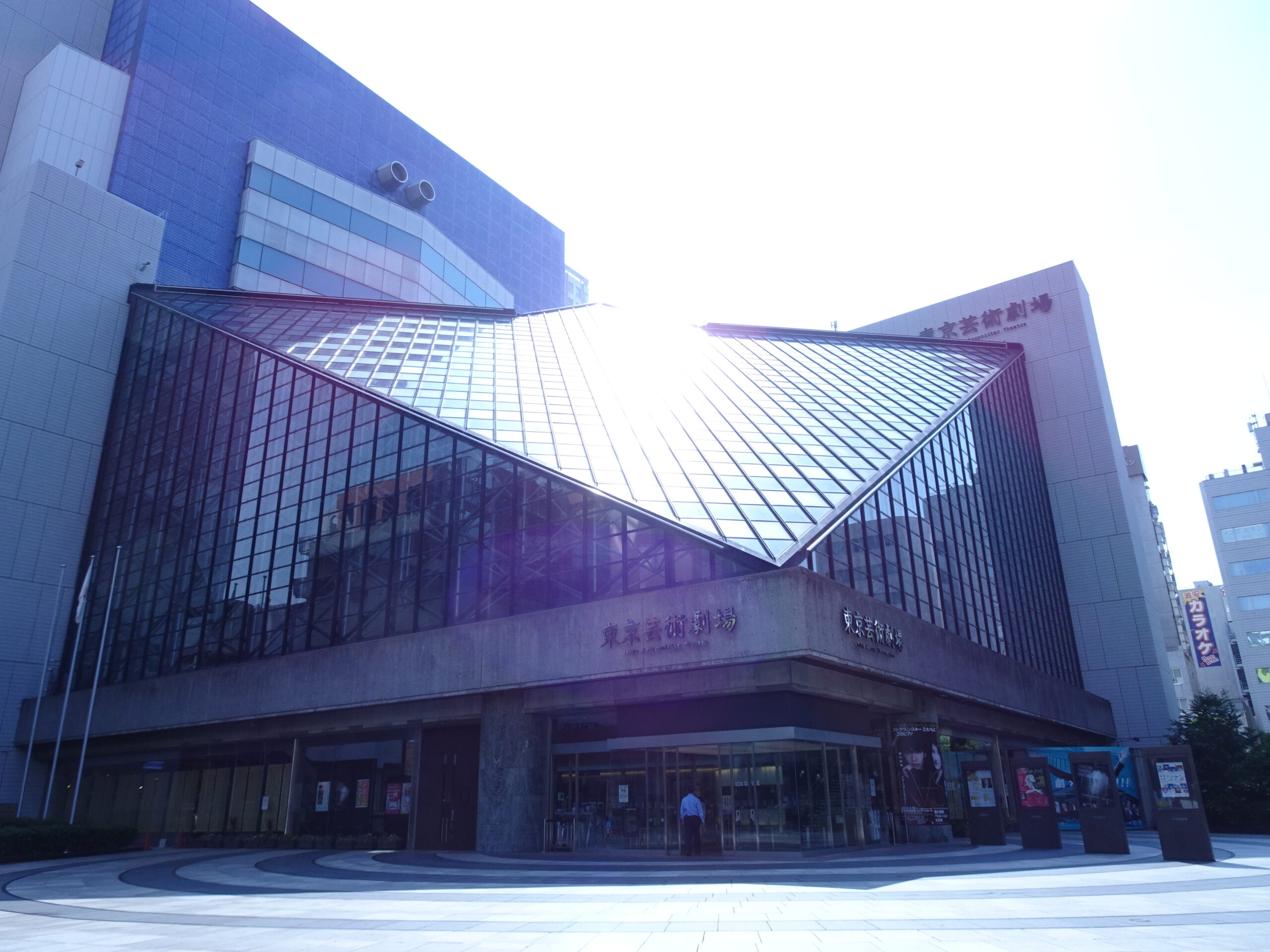 Exact exterior · next to West Gate Park
Tokyo Metropolitan Theatre
The theatre’s angular glass mass becomes Higuruma’s base in the Tokyo No. 1 Colony sequence. Ikebukuro Station’s underground Exit 2b connects directly to the building.
Stand: at the east edge of Ikebukuro West Gate Park, outside the pedestrian flow. Face: west/southwest toward the V-shaped glass roof. Lens: 0.5× to catch the full geometry; watch edge distortion. For Theatre West, go to B1 only during public access and never photograph a performance.
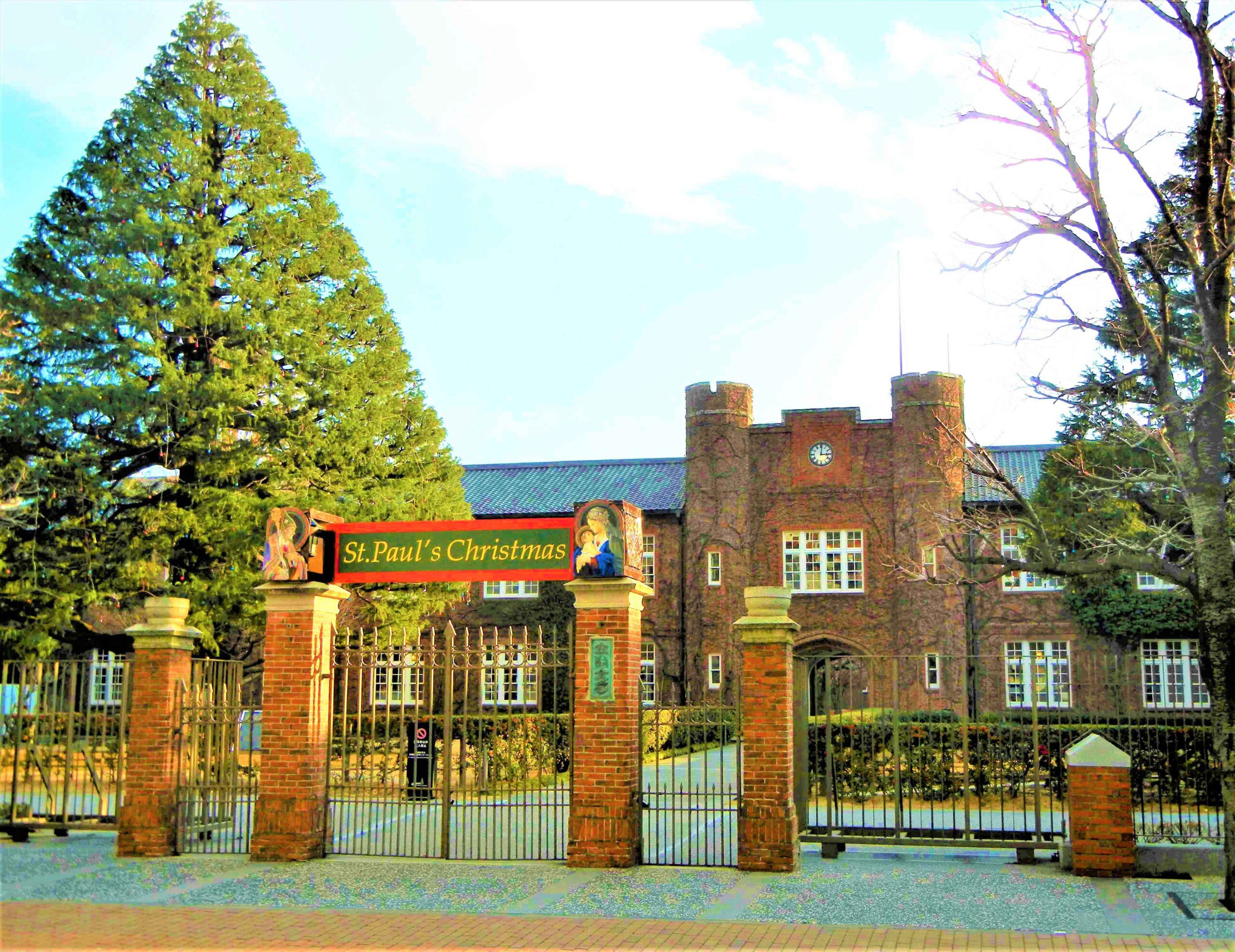 Exact public-side viewpoint
Rikkyo University — Main Gate
The red-brick campus adds a quieter final register to the colony route. Treat it as a working university, not a film set.
Stand: on the public sidewalk directly opposite the Main Gate. Face: through the gate toward the red-brick Main Building and clock. Rule: the university currently permits photography outdoors only; photography inside buildings is prohibited. Keep students and staff out of frame, and check the visitor guidance before entry.
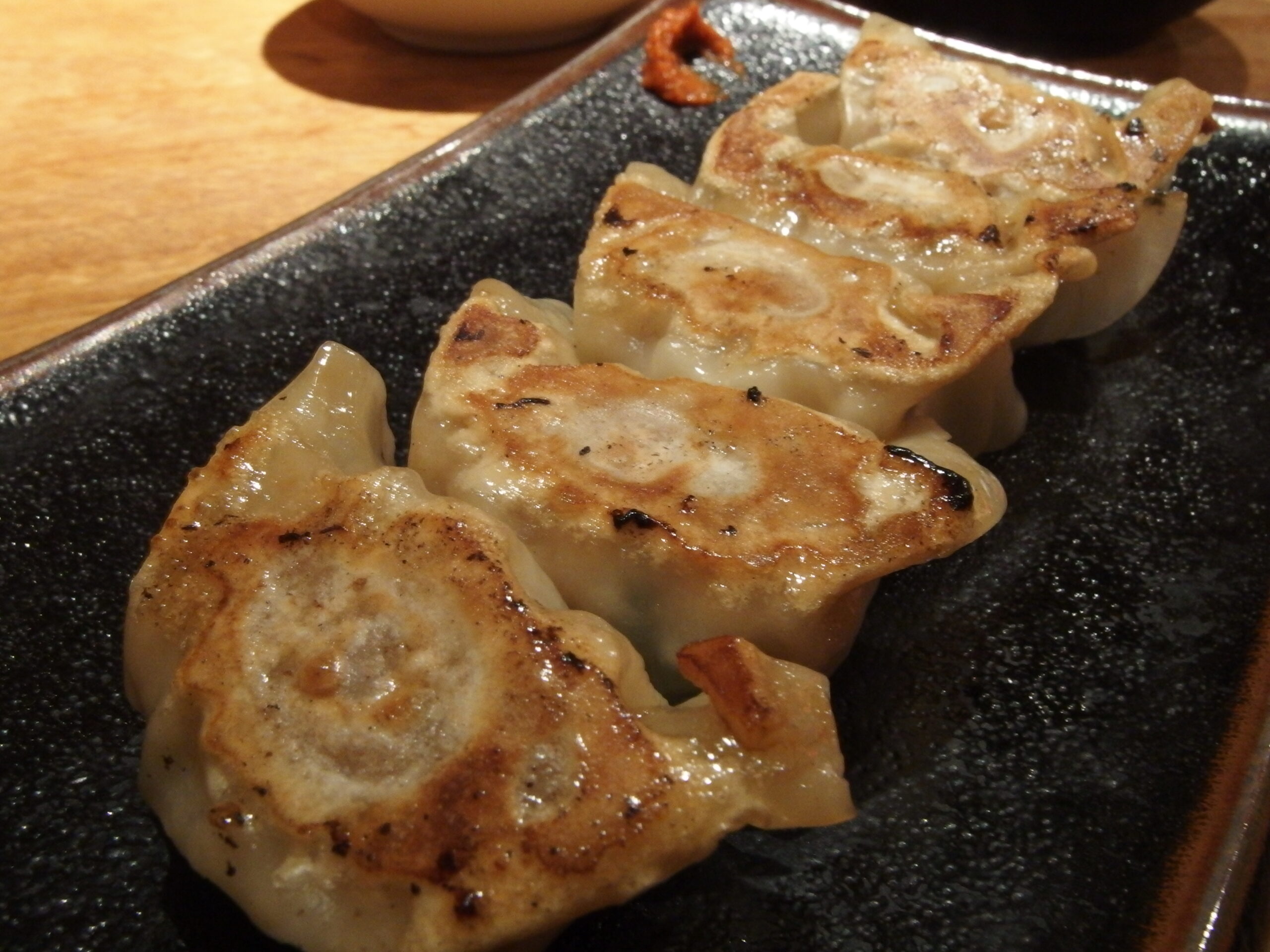 Same Ikebukuro branch · CC BY 2.0 / Guilhem Vellut
Ippudo Ikebukuro — ramen and gyoza
If you are returning through Ikebukuro Station and do not mind crossing to the east side, this is the easiest low-stress finish. Ippudo’s current store page lists foreign-language menus, credit-card payment, and transit IC-card payment.
Route note: allow roughly 12–15 extra minutes from the west-side route. The gyoza photograph was taken at this Ikebukuro branch in 2014; menu presentation and availability may have changed.
The route that still feels like Tokyo.
Skip Koganei on a one-day plan. Pair the Episode 48 route with Ikebukuro, and save the museum for a slower second day.
Three hotels that make the pilgrimage easier.
Affiliate disclosure: This section contains Klook affiliate links. If you book through one of these links, Life with Saki may earn a commission at no extra cost to you. Prices and availability change; confirm the final details on Klook.
Courtyard by Marriott Tokyo Ginza Hotel
An Episode 48 location itself and roughly a short walk from Kabuki-za. Choose this when Route 01 is the trip’s centerpiece.
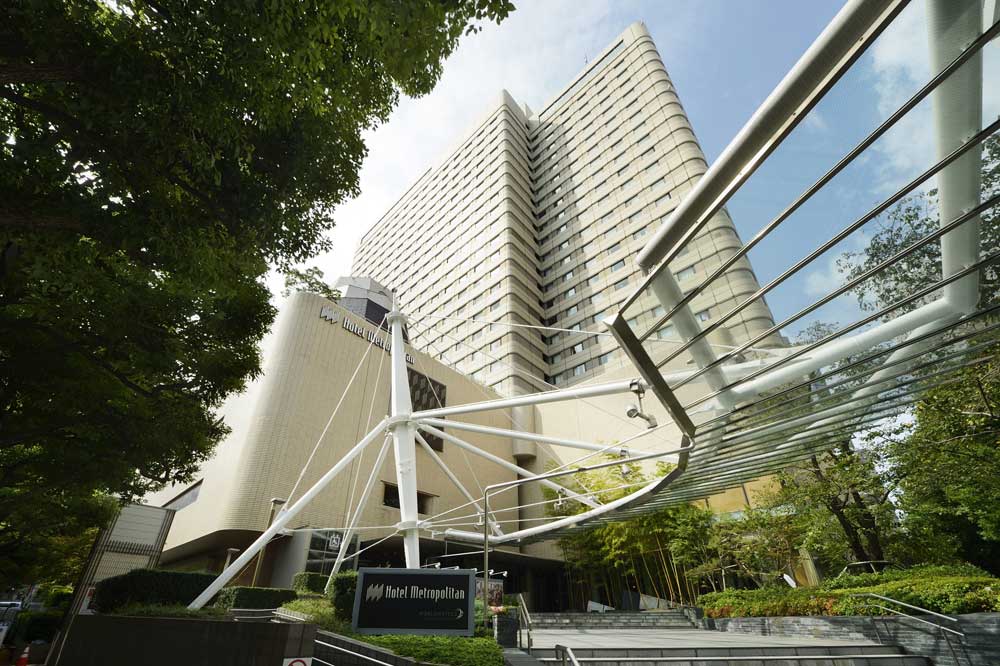
Hotel Metropolitan Tokyo Ikebukuro
Near Ikebukuro Station’s west side, with the theatre and Rikkyo route within easy reach. The most practical base for Route 03.
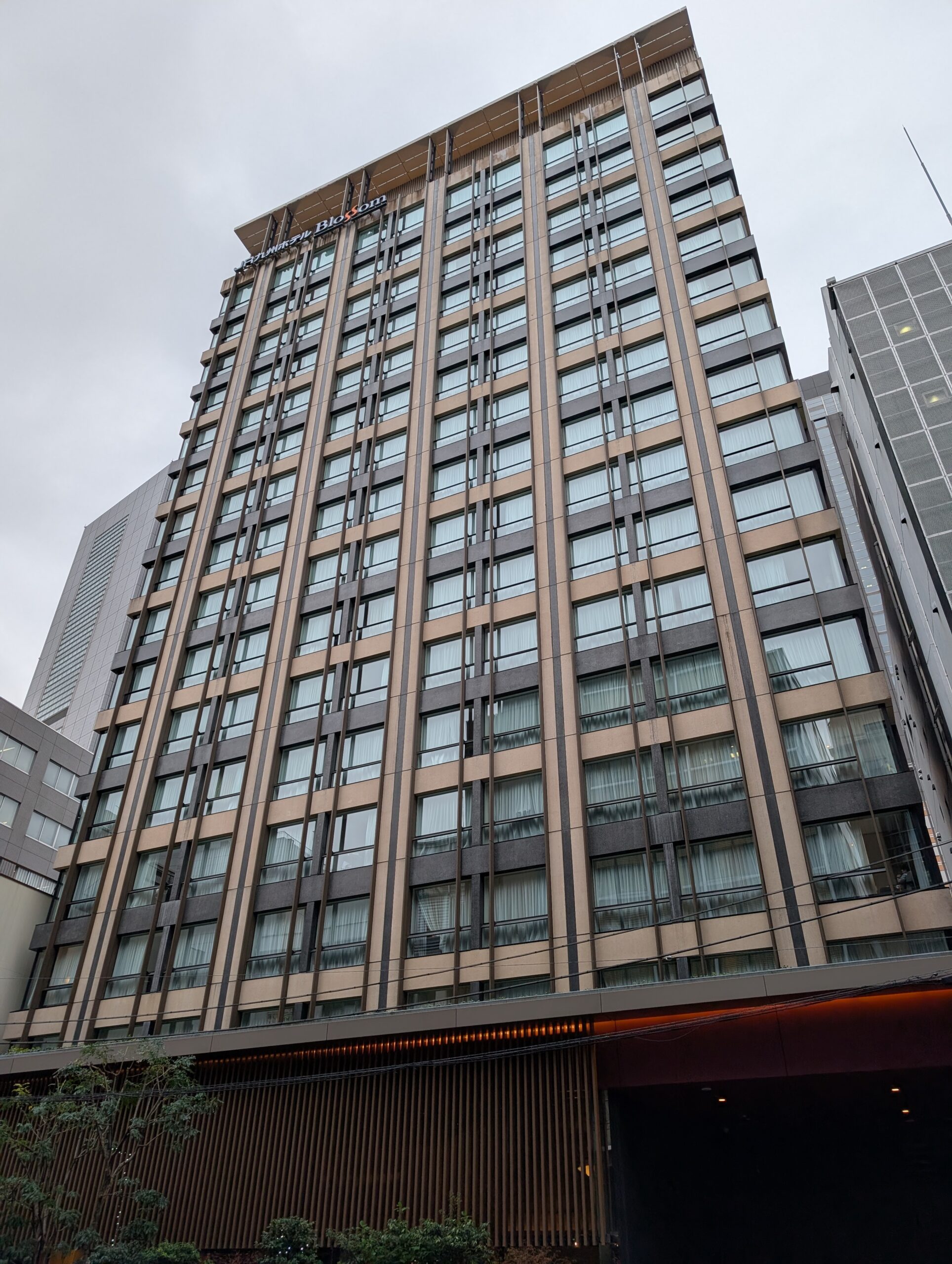
JR Kyushu Hotel Blossom Shinjuku
A convenient Shinjuku base for splitting Ginza, Koganei, and Ikebukuro across multiple days, with strong rail connections for travelers following more than one route.
Before crossing the boundary.
Can I visit every Tokyo location in one day?
You can cover Route 01 and Route 03 in a full day. Adding the Koganei museum makes the day transport-heavy and risks arriving after building access changes. Give Route 02 its own half day.
Why are there no anime screenshots beside the photos?
To keep the guide copyright-safe, it does not reproduce anime frames, manga panels, character art, or official logos. The episode references, exact pins, and “stand here / face this way” notes are designed to let you compare on your own legally accessed copy.
Is every location officially confirmed?
The episode and manga scope is official. Real-world building access is checked against official venue pages. Scene matching is based on distinctive architecture and repeated field comparison, so each card states its confidence or safety status instead of presenting speculation as official confirmation.
What is the best time for photographs?
Visit RAMLA only during public access hours; use early morning for Kabuki-za, morning light for Tsukuda Bridge, and late afternoon for Rikkyo’s brickwork. Ikebukuro’s theatre geometry works in both daylight and blue hour.
What happens after Episode 58?
Episode 59 is “Sendai Colony.” It deserves a separate Sendai itinerary and is not padded into this Tokyo guide.