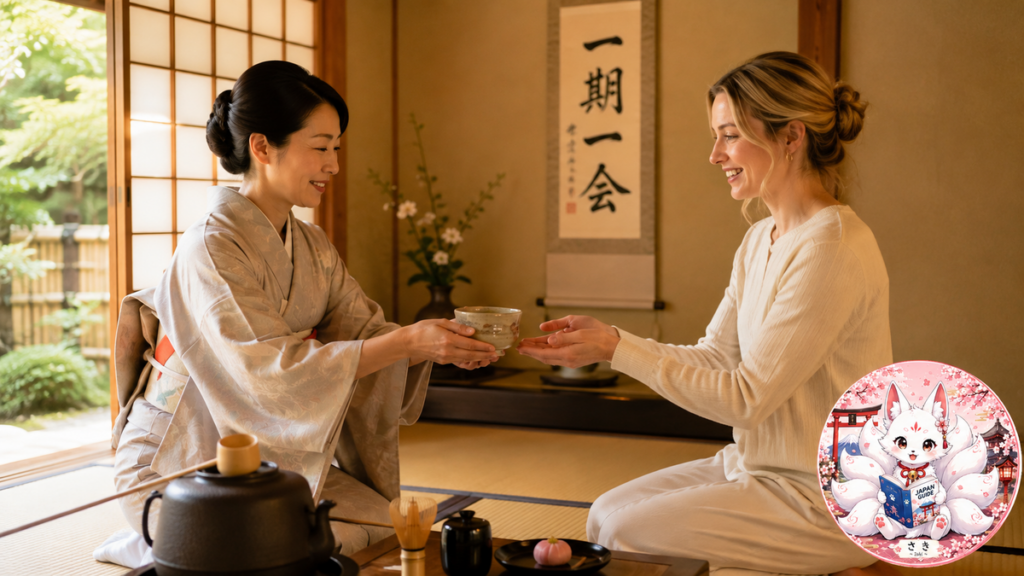
You do not need to book the most expensive tea ceremony in Tokyo to get a meaningful introduction to the tradition.
The bigger question is what kind of experience you actually want: a focused tea ceremony, a relaxed beginner session, a kimono package, a chair-seated option, or something short enough to fit between sightseeing stops.
LAST CHECKED
August 19, 2026. Prices, schedules, group sizes, and booking conditions can change. Recheck the booking page for your date before paying.
My short answer: Tokyo Cha An is the easiest all-around pick for a first visit. Choose MAIKOYA if wearing a kimono is part of the experience you want, Minamikaze if you want to avoid kneeling, and TIA if you only have about 30 minutes.
Affiliate disclosure: Some booking links in this guide may be affiliate links. If you book through them, Life with Saki may earn a commission at no extra cost to you. Recommendations are based on the experience format, current operator information, and usefulness for first-time visitors—not on which booking site pays the most.
The Short Version
| Experience | Best for | Area | Time |
|---|---|---|---|
| Tokyo Cha An | Best overall | Shibuya | 45–60 min |
| Chazen Asakusa | Traditional tea room | Asakusa | 45 min |
| Tokyo Localized | Relaxed small group | Asakusa | 1 hr |
| MAIKOYA Asakusa | Kimono experience | Asakusa | About 90 min |
| Minamikaze | No kneeling | Asakusa | About 90 min |
| TIA Asakusa | Quick option | Asakusa | 20–30 min |
Which One Should You Book?
You want the safest first-time pick
Choose Tokyo Cha An.
You care most about a traditional tea-room setting
Choose Chazen Asakusa.
You want something relaxed and conversational
Choose Tokyo Localized.
You want to wear a kimono
Choose MAIKOYA.
You do not want to sit in seiza
Choose Minamikaze.
You only have half an hour
Choose TIA Asakusa.
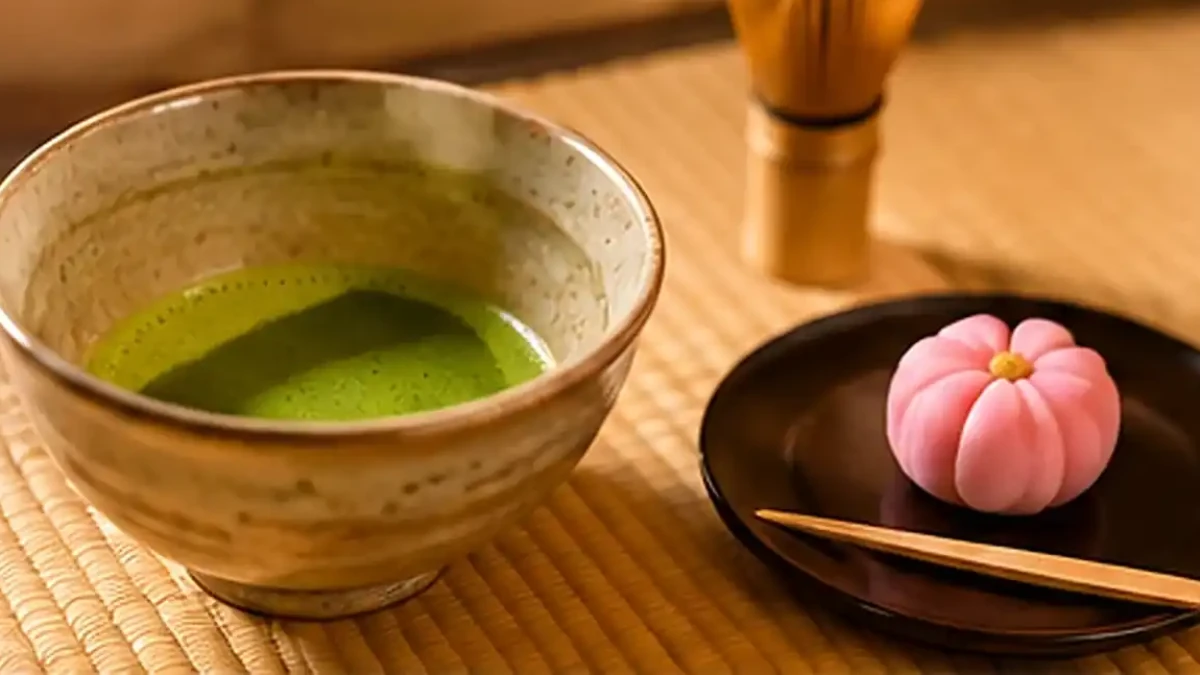
One practical note before the detailed picks: most of the strongest options are in Asakusa. That makes sense if Senso-ji and the surrounding streets are already on your itinerary. If your day is centered on Shibuya, however, crossing Tokyo only to attend a slightly different ceremony may not be worth the extra travel time.
If you are still deciding which Tokyo neighborhood fits your trip, see Where to Stay in Tokyo for First-Time Visitors.
1. Tokyo Cha An — Best Overall for First-Time Visitors
Why it stands out: Tokyo Cha An gives you the core things most first-time visitors are looking for without turning the experience into an all-afternoon package. The session is fully guided in English, takes roughly 45 to 60 minutes, includes a tea-master demonstration and nerikiri sweet, and lets you whisk your own bowl of matcha.
Its biggest advantage is location. The tea room is about a five-minute walk from Shibuya Station, so this is the easiest recommendation if you are already spending part of your day around Shibuya, Harajuku, or central-west Tokyo.
- English: full English guidance
- Duration: about 45–60 minutes
- Group format: shared sessions up to 8 guests; private plan available
- Current official shared price: ¥3,900 for adults
- Kimono: not included
Best for: travelers who want a focused tea ceremony and hands-on matcha experience in a very convenient location.
Skip it if: wearing a kimono is one of your main reasons for booking.
Check availability for Tokyo Cha An on Klook →
Operator details: Tokyo Cha An official site.
2. Chazen Asakusa — Best for a More Traditional Tea-Room Feel
Chazen is the option I would look at if the tea ceremony itself matters more to you than changing into a kimono or building a photo session around it.
The Asakusa location uses an authentic chashitsu tea room. A 45-minute session includes a short introduction to tea ceremony, a demonstration by an experienced practitioner, matcha with traditional sweets, and a chance to prepare tea yourself. Chazen says its practitioners can communicate in English.
- English: available
- Duration: 45 minutes
- Current price: ¥3,500 per person for a shared seat; ¥5,000 per person for a private session of 2 or more
- Location: about 2 minutes on foot from Kaminarimon
- Kimono: not part of the standard session
- Photography: personal photos are allowed; video is prohibited
Why this makes the list: it is one of the clearest choices for travelers who want a genuine tea-room setting without paying for a kimono package they do not actually want.
3. Tokyo Localized — Best Relaxed Small-Group Introduction
Not everyone wants their first tea ceremony to feel formal. Tokyo Localized deliberately takes the opposite approach: it keeps the cultural explanation, matcha preparation, and traditional sweets, but presents them in a more conversational beginner-friendly format.
The session runs for one hour at Tokyo Tourist Lounge Asakusa with a maximum of eight participants. You can sit on tatami for the traditional atmosphere, but chairs are available if that is more comfortable. Kimono rental is not included, and that is part of the appeal here: you can simply show up in your normal clothes and focus on the experience.
- English: yes
- Duration: 1 hour
- Group size: 1–8 participants
- Official direct price: ¥3,500 per person
- Klook price: may differ by date, currency, or promotion, so compare the live rate before booking
- Bring: socks are required for the tatami setting
Choose this over Chazen if: you would rather ask questions, take photos, and have a relaxed introduction than prioritize a more formal tea-room atmosphere.
Check Tokyo Localized availability and price on Klook →
Operator details: Tokyo Localized official page.
4. MAIKOYA Asakusa — Best If You Want a Kimono With the Tea Ceremony
MAIKOYA makes sense when the clothing is not an optional extra in your mind—it is part of the experience you are paying for.
The Asakusa program combines a kimono experience with an English-language tea ceremony. Klook currently lists the session at about 90 minutes and describes it as an educational experience covering tea-ceremony history, etiquette, steps, and tools. Unlike a quick matcha class, this is a bundled cultural activity, so allow enough time rather than squeezing it between two fixed reservations.
- English: yes
- Duration: about 1 hour 30 minutes
- Kimono: included in the Klook package shown here
- Group size: Klook currently states a maximum of 14 travelers
- Price: check the live Klook rate for your date and currency
The other reason I would choose MAIKOYA over a basic kimono-rental add-on is that the tea ceremony is still a substantial part of the booking. You are not just renting an outfit and getting a short matcha sample afterward.
Best for: couples, friends, and first-time visitors who want both a tea ceremony and a kimono experience in one booking.
Skip it if: you only care about learning the tea ceremony. You can get a focused introduction for much less.
Check MAIKOYA availability and price on Klook →
5. Minamikaze — Best If You Do Not Want to Sit in Seiza
If kneeling is the part of tea ceremony that worries you, this is the clearest option in the comparison.
The Asakusa experience is explicitly run with tables and chairs, so you do not need to sit in seiza. It still includes a tea-master demonstration, two bowls of matcha—one prepared by the host and one you make yourself—seasonal sweets, authentic tea utensils, English support, and an optional kimono experience.
- English: yes
- Duration: about 1 hour 30 minutes
- Seating: table and chair; no seiza required
- Kimono: available as part of the experience
- Price: varies by date and package; check the current Klook listing
- Location: about a five-minute walk from Asakusa Station, within sightseeing range of Senso-ji and Tokyo Skytree
This is not just an accessibility compromise. Table-and-chair tea service, known as ryūrei, is an established style within Japanese tea practice. For a short-term visitor, the practical benefit is simple: you can pay attention to what the host is doing instead of spending the session thinking about your knees.
6. TIA Asakusa — Best for a 30-Minute Sightseeing Day
TIA is the option for travelers who like the idea of tea ceremony but do not want to build half a day around it.
The standard experience takes about 20 to 30 minutes, uses table-and-chair seating, is guided in English, and includes hands-on matcha making with Japanese sweets. The shop is close to Kaminarimon and Senso-ji, so it fits naturally into an Asakusa sightseeing route.
- English: yes
- Duration: about 20–30 minutes
- Seating: table and chair
- Current official standard price: ¥3,500
- Kimono: separate combination plans are available
- Official hours currently listed: 10:30 a.m.–3:30 p.m., last admission 3:00 p.m.
What you are trading: TIA is convenient, approachable, and easy to fit into a busy day, but a 20–30 minute session cannot go as deep as a 60–90 minute tea ceremony. That is not a flaw if time is your main constraint.
Check TIA availability on Klook →
Operator details: TIA Asakusa official page.
Tea Ceremony vs. Matcha-Making Experience
These terms are often used loosely on booking sites, but they are not always describing the same depth of experience.
Tea ceremony focused
More attention goes to the host’s movements, utensils, etiquette, the meaning behind each step, and the relationship between host and guest.
Matcha-making focused
The session is usually shorter and more hands-on. You learn how to whisk matcha and may get a lighter explanation of tea-ceremony customs.
For a first trip, either can be worthwhile. The mistake is paying for a long kimono package when what you really wanted was 30 quiet minutes learning how tea is prepared—or booking a quick matcha activity when you were hoping for a more ceremonial experience.
Do You Need to Wear a Kimono?
No. Wearing a kimono can make the experience more memorable and photogenic, but it is not a requirement for a visitor to appreciate tea ceremony.
If you mainly care about tea culture, Tokyo Cha An, Chazen, or Tokyo Localized will usually give you better value. If the combination of clothing, photos, and tea is the point, MAIKOYA is easier to justify.
Do You Have to Sit in Seiza?
Not at every experience. Traditional tea rooms may use tatami and floor seating, but several tourist-friendly sessions provide chairs or use table-style tea ceremony.
If sitting on the floor is difficult: Minamikaze and TIA use table-and-chair seating. Tokyo Localized also says chairs are available. For any other venue, contact the operator before booking rather than assuming an accommodation will be available on arrival.
What to Know Before You Go
- Arrive on time. Tea sessions often start as a group, and late arrival can disrupt a short experience.
- Check the footwear rule. Tokyo Localized requires socks, and Chazen asks guests not to enter the tatami room barefoot. Other venues may have their own rules.
- Do not assume photo rules. Some venues welcome photos but restrict video or photography during the host’s demonstration.
- Check age and participation rules. These can vary by venue and package, so confirm the current booking conditions for your group before paying.
- Allow extra time for kimono dressing. A “tea ceremony with kimono” is not the same time commitment as a 30- or 45-minute tea-only session.
- Ask about food restrictions before booking. Wagashi ingredients vary, and the operator—not a general Japan travel article—is the right source for a specific dietary guarantee.
Is a Tea Ceremony in Tokyo Worth It?
For a first trip, yes—if you are interested in the ritual, hospitality, and cultural meaning behind matcha.
You do not need to save tea ceremony only for Kyoto. Tokyo has experienced practitioners, traditional tea rooms, and visitor-focused sessions that are easy to fit into a sightseeing itinerary. The better question is whether you want a cultural lesson or simply a bowl of good matcha.
If you only want to drink matcha and eat a sweet, visit a good café. A paid tea ceremony earns its place in your itinerary when you want to understand why the host moves, serves, and receives things in a particular way—and when you want to try part of that process yourself.
Frequently Asked Questions
Is a Tokyo tea ceremony touristy?
Many English-language sessions are designed for visitors, but that does not automatically make them meaningless. Look for an experienced instructor, a clear explanation of tea etiquette, a demonstration, and a hands-on component rather than judging authenticity only by how formal the room looks.
Should I book a tea ceremony in Tokyo or Kyoto?
Book it where it fits your itinerary best. Kyoto has an obvious historical association with traditional culture, but Tokyo also has serious tea practitioners and good English-language experiences. If your Kyoto days are already crowded, there is no strong reason to force the activity there.
Can I do a tea ceremony without wearing a kimono?
Yes. Kimono is optional at many tourist tea ceremonies, and several of the strongest tea-focused options in this guide do not include it.
Can I join if I cannot kneel?
Yes, but choose the venue carefully. Minamikaze and TIA use chair seating, while Tokyo Localized says chairs are available. Contact other venues in advance if you need a specific seating accommodation.
How far in advance should I book?
There is no single rule because availability varies by venue and season. Small-group sessions and kimono packages have fewer spaces, so booking once your Tokyo dates are fixed is safer than relying on same-day availability.
THE TAKEAWAY
Choose Tokyo Cha An for the easiest all-around first-time experience. Choose MAIKOYA when wearing a kimono is part of the goal. Choose Minamikaze when chair seating matters. And if your Asakusa day is already packed, TIA gives you a useful 20–30 minute introduction without taking over the itinerary.
If you would rather prioritize a traditional tea-room atmosphere over extra activities, Chazen is the option I would compare against all of them.